Ice-cold resolution

Each time I make my berry frozen yogurt, I promise myself to use the ice-cream maker more often instead of lazily grabbing a pint of ice cream or sorbet in the store, which tastes overly sweet after eating this.

The most important ingredient is a good berry concentrate (blueberries, raspberries, blackberries, red and/or black currants if you have them). I cook the fruit for a few minutes until they pop and release all their juices, then strain them through a fine sieve or cheesecloth.

It is important that all the ingredients are very well chilled before mixing them. Because homemade ice cream and frozen yogurt does not contain any stabilizer, it melts very quickly.

Berry Frozen Yogurt

1½ cups chilled unsweetened berry concentrate

½ cup heavy cream

2 cups sour cream

1 cup sugar

1. In a bowl mix all ingredients well with a wire whisk until sugar dissolves.

2. Process the frozen yogurt in an ice-cream maker according to manufacturer’s instructions. I have an ice-cream maker whose bowl needs to be frozen so when it is warm in the kitchen, I carry the ice-cream maker down to the cooler basement. That prevents the bowl from warming up and improves the quality.

3. Fill frozen yogurt in plastic containers with tight lids and place them in the freezer until solidly frozen.

Makes 1 generous quart
Currants vs. currants

Red currants

After my currant post my sister-in-law asked me why dried currants (the tiny black stuff that’s added to cakes and other pastries) aren’t tart, and whether sugar was added to them. Interesting, I did hear that question before so I need to clarify.

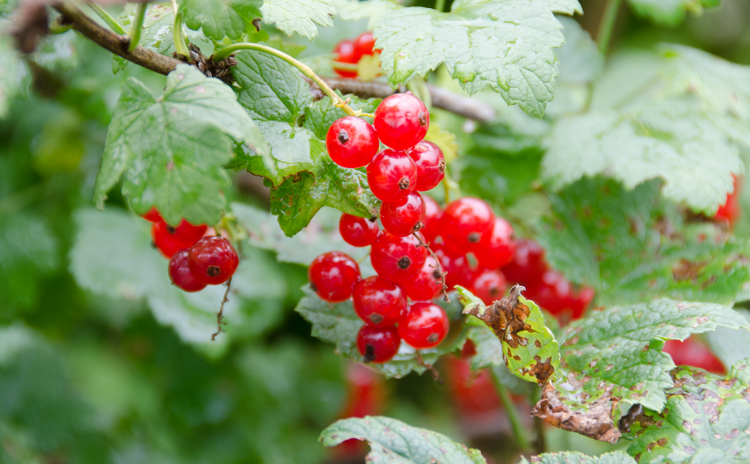
Dried currants are actually from a small seedless grape, the Corinth grape (in German they are called Korinthen so no confusion there). Currants as in “black currants” or “red currants” are the yummy tart berries on the photo above.

Taking inventory

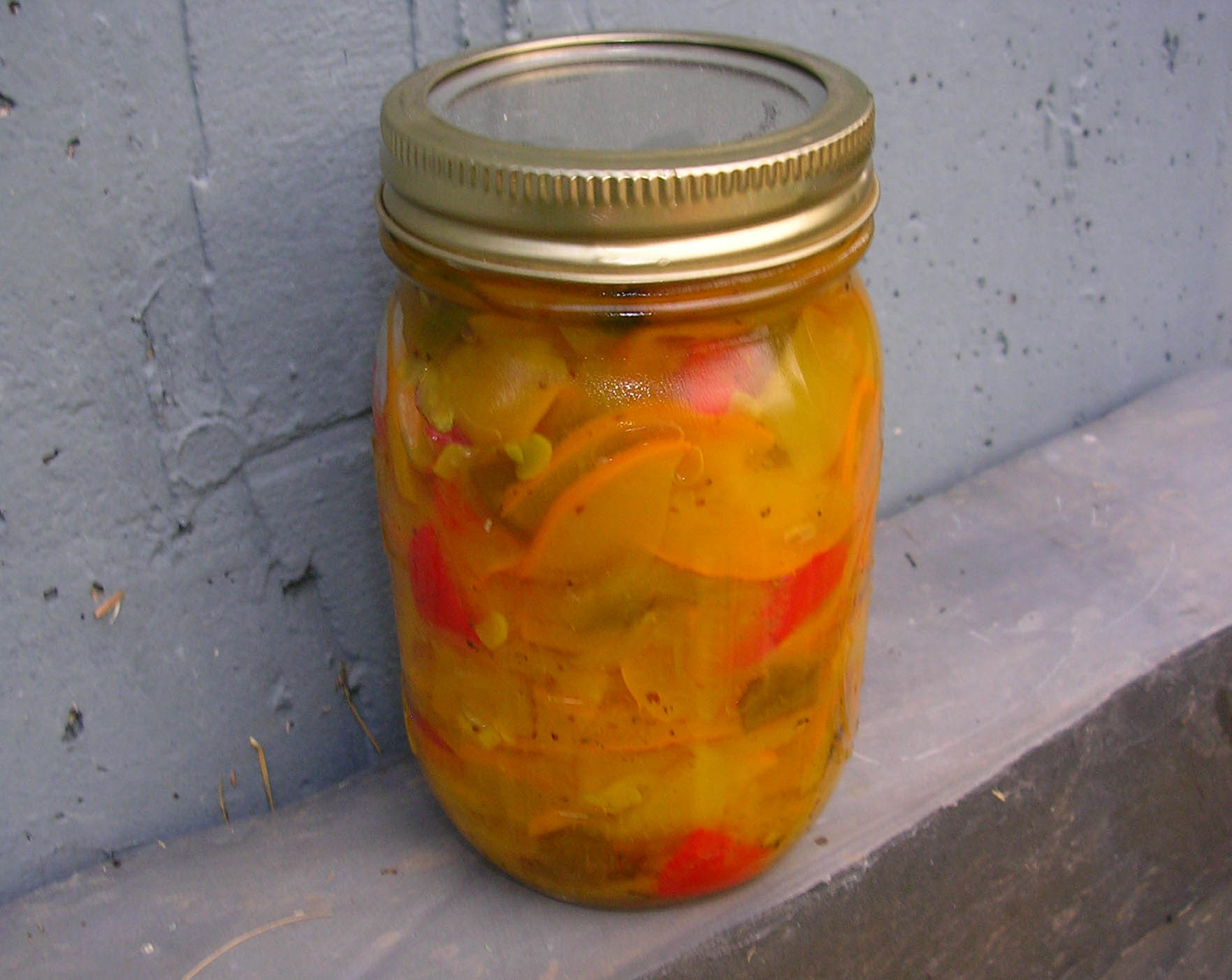
So there’s that one lonely jar of zucchini relish left over from 2009 (credit for the recipe goes to my friend Alice’s sister, Pam). In a few days I will be harvesting the first zucchini and I am determined to try out a new recipe this year – zucchini chutney for a change. Now the big question is: do we eat the last jar asap, or do I better hold on to it just in case the chutney won’t turn out that great?

In any case, here’s the recipe for that fabulous zucchini relish:

12 cups chopped zucchini, or a bit more (about 4 pounds; peel zucchini if not organic)

4 cups chopped onion

2 cups chopped green bell pepper

2 cups chopped red bell pepper

1 tablespoon dry mustard

5 tablespoons salt

2½ cups white vinegar

¾ teaspoon turmeric

¾ teaspoon nutmeg

¾ teaspoon cornstarch

½ teaspoon freshly ground black pepper

½ teaspoon celery seed

6 cups sugar

1. Mix zucchini, onion and peppers in a large colander and set it over a big bowl of ice cubes in the fridge. Leave overnight.

2. The next day let cold water run over the mix and drain.

3. Bring all the remaining ingredients to a boil in a large pot. Add zucchini mix and cook for 30 minutes.

4. Meanwhile bring hot water to a boil in a large pot or a canning pot. The water needs to cover the jars by at least 1 inch. Before I owned a canning pot, I used a stockpot, which is fine, but to prevent the jars from bumping around and breaking, I put several dish towels on the bottom and between the jars.

5. Fill piping hot relish in sterilized jars placed on a damp kitchen towel (this prevents them from cracking). Wipe the rim of the jars with a clean damp paper towel. Close jars with brand new lids and bands immediately and process in boiling hot water bath for 20 minutes.

6. Remove from the water onto damp kitchen towels and let sit for 24 hours. Store in a dark and cool place.

Makes seven 1-pint jars

Raving about red currants


Red currants

As a native of Germany, I grew up with red currants. The pearl-like, bright, tender red berries are still one of my favorite summer fruit. Too bad currants are so little grown in this country because they do really well in the East Coast climate. After moving them to a new location and a meager harvest last year, each of our three currant shrubs yielded several pounds this year. Most of them went right into the freezer for pies, cakes and other desserts but I kept some for eating raw.

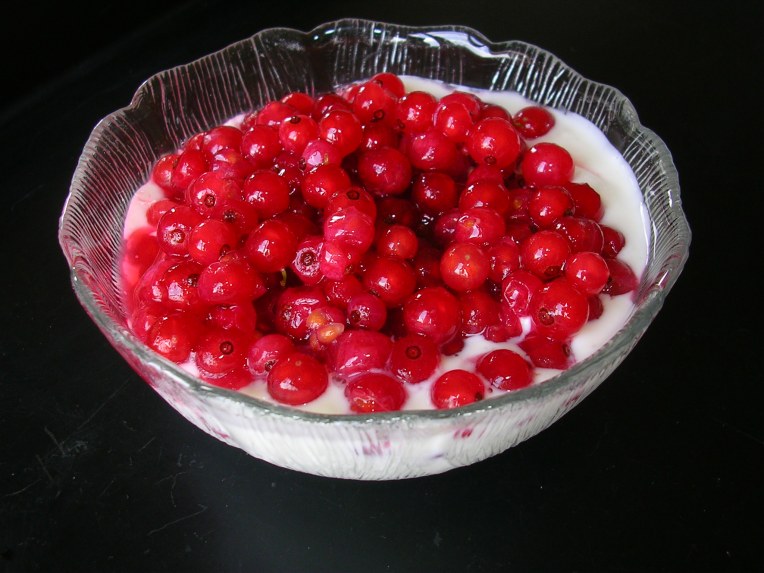
Red currants are rather on the tart side so you need to add a bit of sugar. This is not really a recipe. One of my favorite and simplest ways of eating red currants is with Quark, the creamy cottage cheese without curds that can be found nowadays in supermarkets in the US. However, at $5 for 8 ounces, it’s prohibitively expensive. Luckily I found a great substitute lately: Greek yogurt. It is as close as you can get to the real thing and it’s even available from Stonyfield with vanilla flavor, which perfectly matches red currants (in Germany red currants are often eaten with vanilla custard). It’s an easy guess what I had for lunch these past two days…