The now-or-never raspberry scones

Most cooks I know have a collection of recipes that they ripped out of some magazine or newspaper with the intention of trying them out some time. I have made it a habit of cleaning those out once in a while, discarding the ones that, if I am honest to myself, I will never ever make.

Corby Kummer’s Raspberry-and-Raisin Tea Scones from The Atlantic were on their way out. I am not sure whether it was that the recipe calls for the flour being sifted five times (I usually never sift flour), or that I could not warm up to the combination of raspberries and raisins.

But because I have frozen raspberries from the garden, and I seriously need to start cooking and baking my way down our overfilled freezer, I gave the recipe a try. However, I made a few changes. I used dried cranberries instead of raisins, and canola oil instead of olive oil. As the dough was a sticky mess, cutting was difficult. So I ended up shaping the scones by hand, but I did this very quickly, so that the consistently would not become too dense – why, otherwise, would I have sifted the flour five times?

I find the result yummy – light and with a subtle sweetness, so you can still put jam or jelly on them. Now I am waiting to hear what my family tasting panel says.

Raspberry-Cranberry Scones

2¾ cups flour

2 teaspoons baking powder

½ teaspoon salt

1 cup buttermilk

½ cup canola oil

½ cup sugar

2 eggs

½ cup unsweetened dried cranberries (preferably organic)

½ cup frozen raspberries

1. Sift the flour five times into a large bowl. Mix with the baking powder and salt.

2. Whisk the buttermilk with the canola oil, sugar and 1 egg in a small bowl.

3. Add the liquids to the flour mixture and quickly work it in with a spatula until the dough holds together. Fold in the cranberries Do not overwork the dough.

4. Preheat the oven to 500 degrees F. Line a large baking sheet with parchment paper.

5. Place a large piece of wax paper on the counter. Put the dough in the middle of it and place another sheet of wax paper of the same size on top. Pat the dough with your hand to an equal thickness, about the size of letterhead paper.

6. Peel off the top layer of wax paper and sprinkle the individual raspberries over half of the dough. Fold the other half of the dough over it.

7. Place the top wax paper on top of the dough gain and flatten the dough slightly. 8. Remove the paper and cut the dough into 12 to 14 equal pieces.

9. With floured hands, quickly and lightly shape round, about 3-inch scones, taking care not to compress the dough.

10. Place the scones on the prepared baking sheet about 2 inches apart. Whisk the remaining egg and brush the scones with it.

11. Place the baking sheet into the freezer for 10 minutes. Remove the baking sheet from the freezer and brush the scones again with the egg wash.

12. Put the baking sheet in the oven and reduce the temperature to 425 degrees F. Bake for 18 minutes. Remove from the baking sheet immediately and cool completely on a wire rack.

Makes 12 to 14 scones
Delicious Delicata

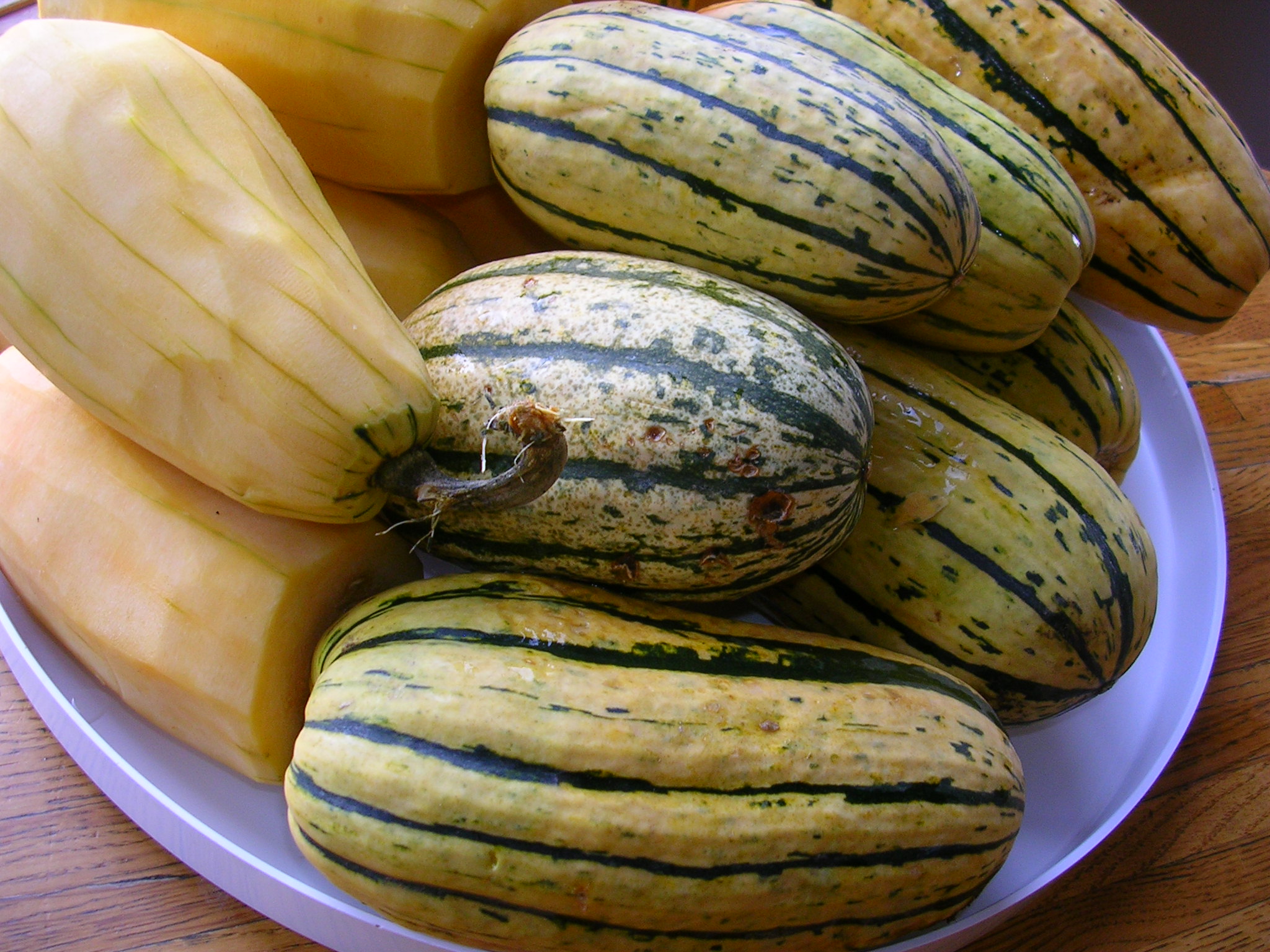
After I lost my entire crop of Delicata squash last year to bacterial wilt (one bite by the striped cucumber beetle is enough to spread the disease), I almost lost this year’s crop to frost. The squashes were stored in the shed, the nights were getting very cold, and I was not paying attention. Luckily I rescued them with only a couple of them turning into mush.

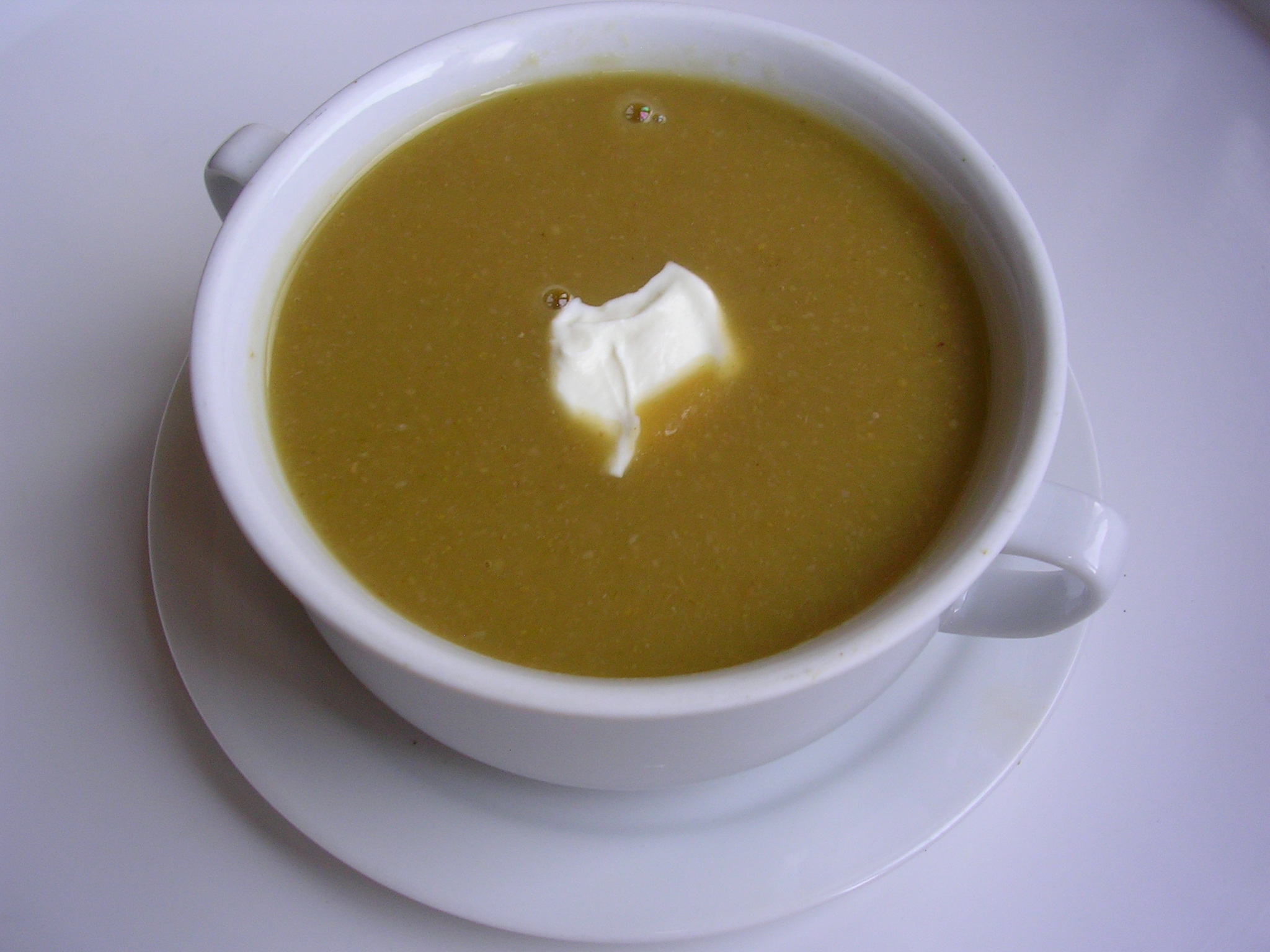
Two 1-gallon bags of Delicata went into the freezer. What I could not fit into the second bag went into this soup. In this recipe I followed my winter squash credo that only roasting in the oven really brings out the flavor of winter squash, that’s why soup often tastes bland.Delicata Squash Soup with Chestnuts and Apple

20 fresh unpeeled chestnuts

2 tablespoons olive oil

20 ounces peeled, cubed and seeded Delicata squash

3 stalks leek, finely chopped

1 large Macintosh apple, peeled, cored and chopped

2 tablespoons chopped candied ginger

¼ teaspoon ground mace

5 cups low-sodium chicken broth

¼ cup dry sherry

Salt

Freshly ground white pepper

1. Check the chestnuts for worms (pests are lurking not only in Delicata!). Soak them in cold water for 1 hour.

2. Preheat the oven to 390 degrees F and place a large ungreased heavy baking sheet on the middle rack.

3. Drain the chestnuts. Cut an x in the rounded side of each chestnut using a serrated knife.

4. Spread the chestnuts onto the hot baking sheet and roast until they pop open, about 10 to 15 minutes. Cool slightly.

5.  Mix the squash with 1 tablespoon olive oil and place in one layer in a large baking dish in the preheated oven. Roast until the squash is soft and slightly brown in some spots, about 25 to 30 minutes, turning once or twice.

6. Peel the chestnuts while still warm. Also completely remove the fibrous inner skin. Cut chestnuts in half.

7. When the squash is done, heat the remaining tablespoon olive oil in a large pot. Cook the leek over low-medium heat until soft, about 10 minutes.

8. Add the squash, chestnuts, apple, ginger, mace, and chicken broth. Bring to a boil, then reduce the temperature and cook covered, 15 to 20 minutes, until the chestnuts can be easily squished.

9. Puree the soup and pass it through a food mill. Return it to the pot and reheat. Add the sherry and season with salt and pepper. If the soup is too thick, add more chicken broth or water. Serve hot.

Makes 8 servings


Stock clarity (and a happy dog)

SwissChardWhile I consider myself a somewhat educated consumer and critical food buyer, for vegetable stock I succumbed to the delusion that because it’s organic it must be good. Until Cooks Illustrated found that the brand I usually bought tasted “like dirt” or “like musky socks in a patch of mushrooms”. Yikes. How could I have been so taste-blind? That was in 2008. Since then I either resorted to chicken broth for soup, or, on some rare occasions, made vegetable stock from scratch.

This past summer I finally got into the habit of making vegetable stock more often, usually a large amount, most of which went into the freezer. Maybe the trigger was that the new shiny stockpot I had bought last winter kept looking at me reproachfully for not being used. Or it was the mounds of fresh vegetable leftovers, scraps and peels that went into the compost bin all summer.

Depending on what’s available in the garden, I make vegetable stock in different combinations. For example, today I used, in addition to the staple ingredients onion, carrots, and parsley: Swiss chard stalks, the final eggplants of the season whose skins have toughened because of the cold nights but otherwise are perfectly fine, and a container of frozen tomato skins that accumulated when I made tomato soup a few weeks ago. I did not have any celery, scallions, and leeks but otherwise I would have added them too. Many different vegetables work well as long as they are not spoilt, don’t impart a strong flavor and color (no cabbage, turnips, beets etc.), and don’t fall apart so the stock remains clear. For a more intense flavor, I brown the vegetables and onion in olive oil first, then add the water and proceed as described.

The stockpot gets used, and someone else is happy, too. After straining the stock (salt-free until I add it to the soup I am making) I puree the vegetables. They make several days of veggie add-ons to Woody’s dinner – and he is crazy about it.Woody

Vegetable Stock

4 pounds (1.8 kg) mixed vegetables

2 large carrots

2 large onions

¼ cup (60 ml) olive oil (optional)

3 large bay leaves

1 big bunch of fresh parsley

6 large garlic cloves, peeled and smashed

1 teaspoon dried thyme

Salt (optional)

1. If you use organic vegetables no need to peel them, except for the onions. Cut the vegetables into chunks. Peel and quarter the onion. Heat the olive oil and brown all the vegetables and onion for 10 to 15 minutes, stirring often so they don’t burn. For the fat-free version, put all the vegetables in a large stockpot right away. Add the bay leaves, parsley, peeled and smashed garlic cloves, and thyme.

2. Add 7½ quarts of water and bring to a boil. Cover and reduce the heat. Simmer for 1 hour. Strain the stock through a fine sieve. Add salt if desired. Cool and refrigerate, or freeze.

Makes about 7 quarts (7 liters)

Quince finale (double header)

When I started gardening I always made lists of what I wanted to accomplish that day, or that week. However those lists quickly became a source of frustration. Once outside, I always got sidetracked by the many additional things that need to be done.

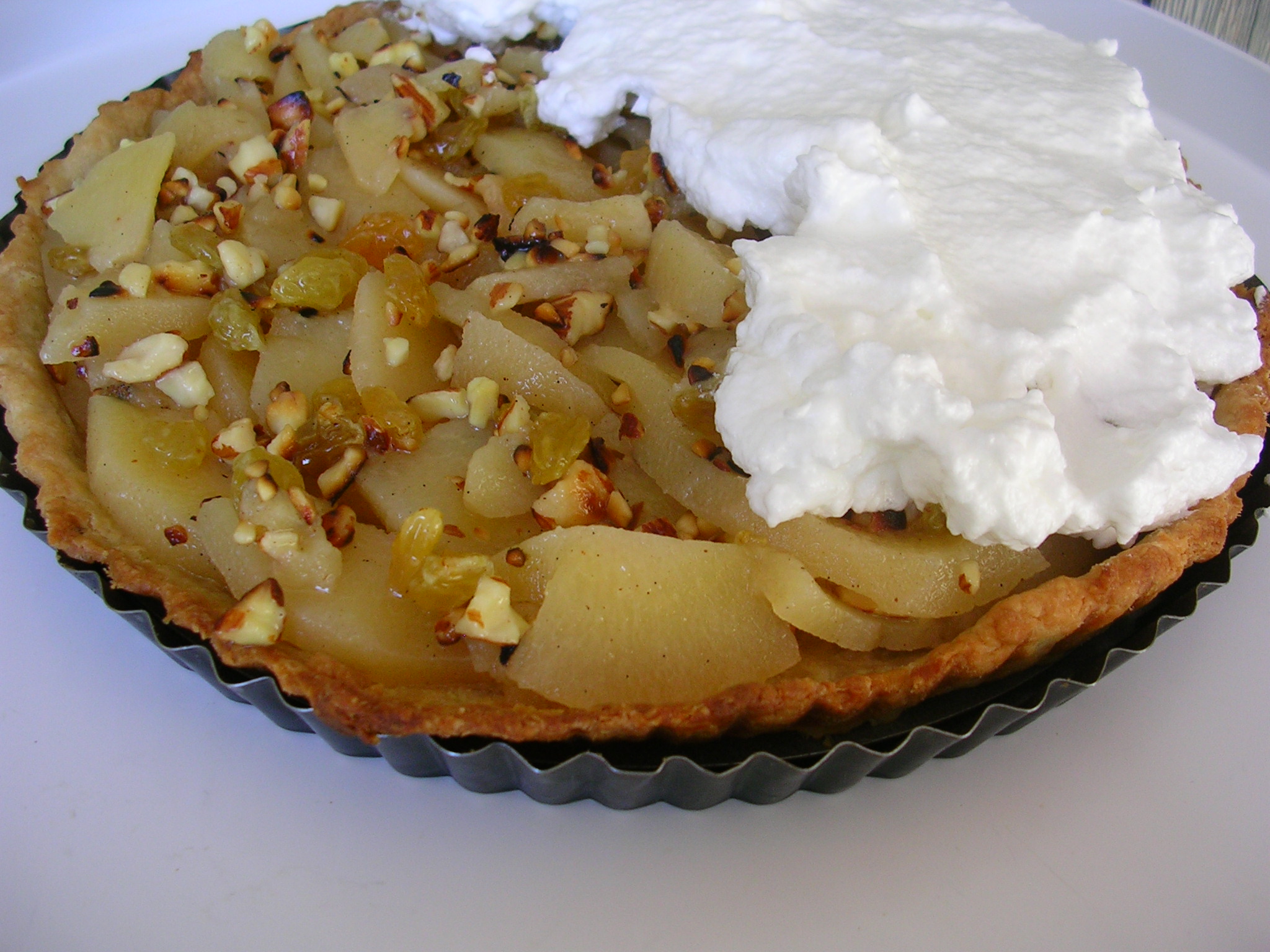
As a result, today, on a gorgeous early fall day, I am happily working in the garden without a list. I only came into the house to write down the last two quince recipes, and, of course, to have a slice of the Quince Meringue Pie I made this morning.

Quince Sorbet

8 cups water

1¼ cups sugar, more to taste

2 pounds peeled and cored quinces

¼ cup applejack

You also need:

An ice-cream maker

1. Bring water and sugar to a boil. Cut the quinces into chunks and cook covered for about 40 minutes, or until soft. Remove from the heat and cool.

2. Puree the quinces very finely with all of the cooking liquid. As long as you peeled and cored the quinces neatly, there is no need to strain the mix. Refrigerate overnight.

3. Add the applejack to the chilled mixture and stir well. Process in an ice-cream maker according to manufacturer’s instructions. Since this recipe makes a large amount, I processed it in two batches and put the freezer bowl back in the freezer after the first batch until it was solidly frozen again.

4. Fill sorbet in airtight freezer containers and freeze for 12 hours, or until solidly frozen.  Take sorbet out of the freezer 15 to 20 minutes before serving to soften, but not much longer because it melts quickly.

Makes 1.5 quarts

Quince Meringue Pie

This pie tastes best the same day, as the meringue tends to get soggy after a while.

Pie crust:

1 cup flour

¼ teaspoon salt

1/3  cup (about 2½ ounces) shortening, at room temperature

4-6 tablespoons quince poaching liquid, chilled

Filling and topping:

2 ounces unpeeled almonds, coarsely chopped

2 tablespoons golden raisins

1 teaspoon golden rum

16 ounces poached quinces, drained

3 egg whites

2 tablespoons confectioners’ sugar

You also need:

A pastry blender

Wax paper

A 9-inch pie pan with removable rim

1. Preheat the oven to 450 degrees F.

2. For the pie crust, mix flour, salt and shortening with a pastry blender until crumbly. Add poaching liquid by tablespoons until the dough holds together in a ball. Blend briefly to get rid of any lumps.

3. Roll out the dough to an 11-inch circle between two sheets of wax paper. Remove the top layer of the wax paper and flip the wax paper over to fit the circle into a 9-inch fluted pie pan with removable rim. Carefully remove the wax paper. Let the dough come up to the height of the rim. Trim the dough along the rim with a sharp knife.

4. Loosely line the crust with lightly greased aluminum foil (shiny side down) and fill with pie weights. Bake in the preheated oven for 10 minutes. Reduce the temperature to 350 degrees Fahrenheit, remove the pie weights and the aluminum foil and bake for 10 to 13 more minutes, or until the crust has a golden brown color. Let cool on a wire rack. Do not turn the oven off.

5. While the pie crust is baking, toast the almonds in an ungreased pan until lightly browned and fragrant. Set aside to cool.

6. Wash the raisins under warm water and pat dry with a paper towel. Mix with the rum in a small bowl.

7. Whip the egg whites until very stiff, gradually adding the confectioners’ sugar.

8. Carefully toss the poached quince slices with the almonds and raisins with rum. Arrange them on the cooled crust. Top with the meringue and bake in a 350 degrees F preheated oven for 12 to 15 minutes, until the peaks are lightly browned. Remove the pie rim and let cool on a wire rack.