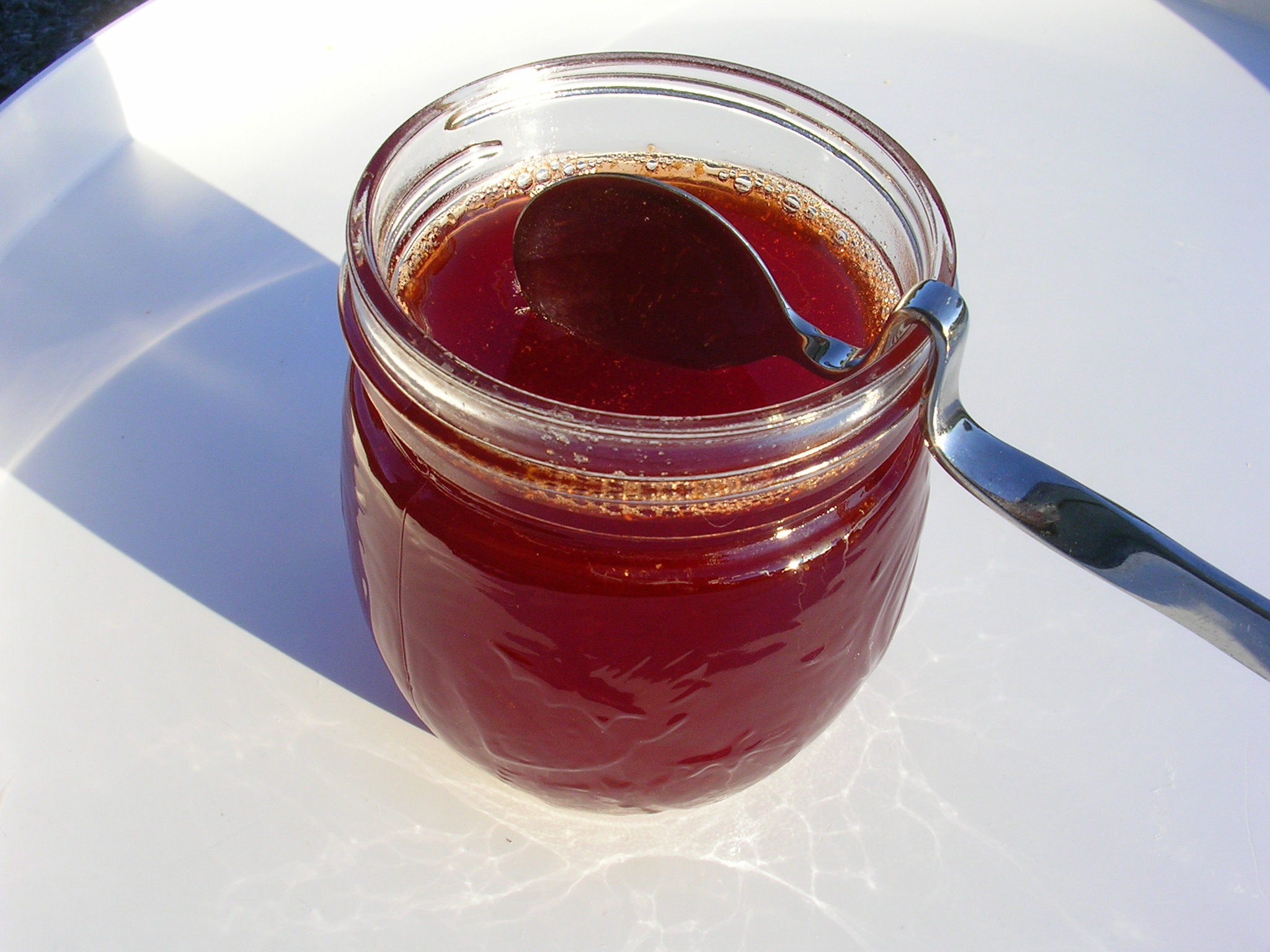
That was quince enough

Other than eating them, I don’t want to have anything to do with quinces for a very long time. Last week I spent three long evenings, and a good part of Saturday, peeling, coring, and chopping quinces, making quince jelly, quince sauce, quince compote, quince chutney, and poached quinces. In the process, I ran out of sugar, apple cider vinegar, jars, and lids. I dulled two paring knives (quinces are very acidic!), got a blister on my hand, and had to run over to a friend’s house because I don’t have a pressure cooker and I thought the quince sauce needed special processing (now I know better). Also, two filled canning jars cracked during sealing, spilling their precious content into the boiling water.
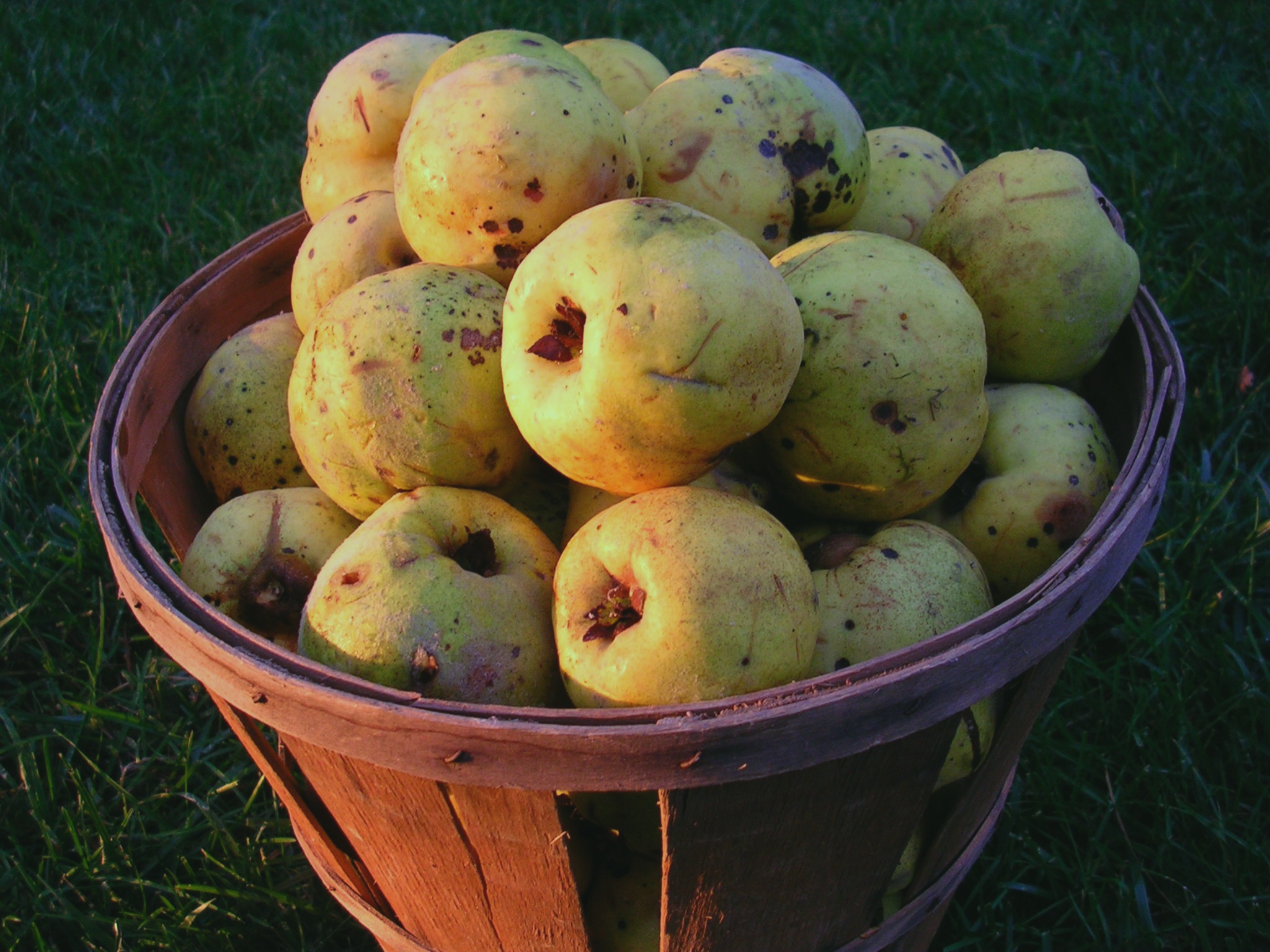
Yet when I look at the line-up of jars, I am telling myself it was worth it. I had already given up on getting my hand on quinces this fall when our neighbor unloaded three large crates with quinces on our porch on Wednesday night. I did not weigh them but it must have been 30 to 40 pounds.

If those had been regular quinces, I would not have been able to handle such a huge amount. The trees where that glut of gnarly quinces originated surely have not been treated with pesticides, nor been pruned in decades so there was a lot of waste. Except for the tedious process of cleaning and trimming, this was fine with me; I was going to peel and thoroughly core the quinces anyway, because I don’t like the astringent taste of those parts.

While the look of most fruits deteriorates during cooking, the quince turns into a blushing pink beauty. I find it amazing how the pale yellow, gritty flesh of quinces changes its color. However, it is essential to immerse the quinces in a bowl of water with several tablespoons of lemon or lime juice immediately after peeling to prevent them from turning brown.

No additives needed for coloring here – the leftover liquid from poaching the quinces, which I strained and filled into bottles, has the color of pink lemonade. We started mixing it with seltzer water for a refreshing soda. Nothing should go to waste, especially after you have worked so hard for it!

Here are two of the quince recipes. After I am done labeling all those jars, I will write down the others.

Spiced Quince Sauce

I initially thought the quince sauce needed to be sealed in a pressure cooker but I learned that ¼ cup of sugar per pound of fruit is enough for safe water batch canning.

Although it takes more time, and I really did not need that after all the peeling and coring, I strongly recommend grinding the spices yourself instead of using ground ones. The flavor is significantly better.

5¾ pounds peeled and cored quince chunks

1 tablespoon finely chopped organic lemon zest

2 teaspoons cinnamon

½ teaspoon ground ginger

¼ teaspoon ground cloves

½ teaspoon ground nutmeg

1 teaspoon ground coriander

1 teaspoon ground cardamom

1 teaspoon ground allspice

½ teaspoon ground anise

½ cup orange juice

2 cups sugar

1. Put all the ingredients except for the sugar in a large heavy pot and cook, covered, until the quinces break apart, about 1 to 1¼ hours. Stir often to prevent burning.

2. Add the sugar at the end of the cooking process. Puree finely with a stick blender.

3. Fill the hot quince sauce in sterilized jars. The sauce is very thick and forms air pockets. To remove them, carefully stir the sauce with a long, thin utensil (I used a metal skewer).

4. Wipe the rim with a damp piece of paper towel to remove any drips and wipe dry with paper towel. Place the lids and the bands on the jars and process in a boiling water bath for 10 minutes.

5. Let cool and set for 24 hours without moving the jars.

Makes four to five 1-pint jars

Chunky Orange-Cardamom Quince Compote

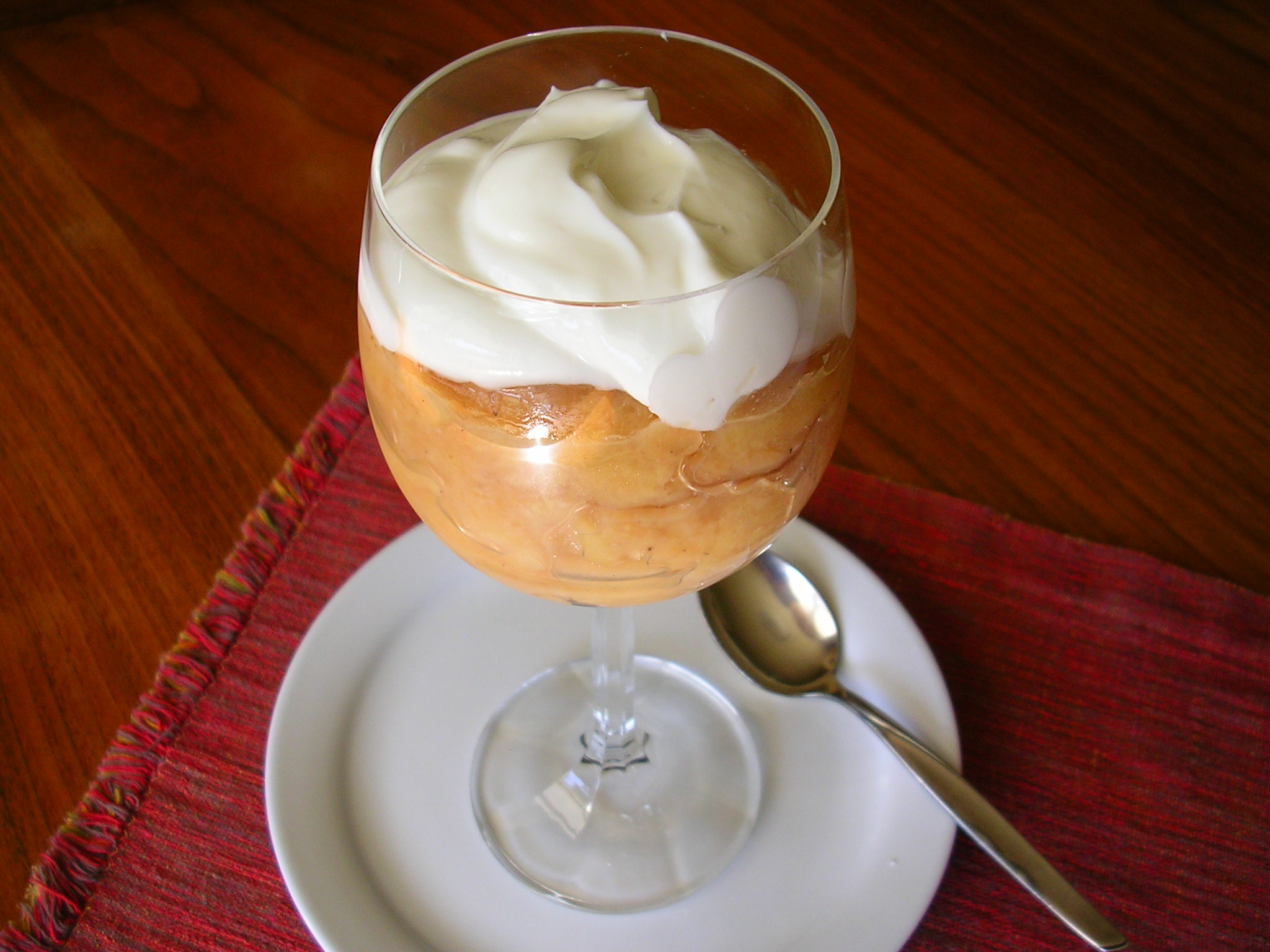
Quinces and oranges are a wonderful combination, and so are quinces and cardamom, so why not combine all three? This makes chunky quince compote that we ate with Greek vanilla yogurt.
1¾ pounds peeled and cored quince chunks

2 teaspoons dried orange peel

6 cardamom pods, finely ground

1/3 to ½ cup sugar, to taste

2 tablespoons Cointreau or other orange liqueur, to taste

1. Put the quinces in a heavy pot with the cardamom about ¼ inch of water to prevent burning. Cook, covered, for about 45 minutes, until the quinces are soft but not falling apart. Add the sugar and stir until dissolved.

2. Let cool, then stir in the orange liqueur. Refrigerate.

Makes 6 servings

Swan song? Hope not

The crabapples were plumper and larger than ever this year. This might not be a surprise after all the rain we had but for us, it is startling because in the spring it did not look as if the 25-year-old trees were going to make it.

After the snow melted, we realized serious bark damage on two-thirds of the trees. The bark had been chewed off all around from the ground to about a foot high. But then, as every year, the crabapples bloomed in the first week of May, making me want to cruise up and down our driveway again and again just to enjoy that gorgeous sight. Then came the drought in July, and the trees were still hanging in there.

And now this, a rich harvest! Such a severe damage to the bark is like removing the esophagus from a human body, totally disrupting food transportation. My explanation for the trees still being alive in mid-summer was that they must have had enough nutrients stored at the top. Whether these reserves could last a whole season I didn’t know.

I am marveling at this miracle, and at the same time I fear this might be the trees’ swan song. Meanwhile, I made crabapple jelly today, very much hoping that I will be doing exactly the same thing again this time next year.

Gingered Crabapple Jelly

To extract the juice from the crabapples, it is best to chop the crabapples coarsely in the food processor, then put them in the steam juicer. The amounts can be increased as needed with a juice to sugar ratio of 2:1.

2½ cups crabapple juice (unsweetened)

1¼ cups sugar

¼ teaspoon ground ginger

1. Mix the juice and the sugar and cook in a heavy pot over low-medium heat for 1 hour. Remove any scum with a ladle or a large spoon.

2. Put a teaspoon full on a plate and wait a couple of minutes. If it is still runny, cook a few minutes longer and test again. If it gels but it still a little soft, it’s fine, as the jelly will solidify considerably upon cooling.

3. Pour the hot jelly in sterilized jars through a canning funnel. Wipe the rim with a damp piece of paper towel to remove any drips and wipe dry with paper towel. Place the lids and the bands on the jars and process in a boiling water bath for 10 minutes.

9. Let cool and set for 24 hours without moving the jars. If processed properly, the jelly will keep for 1 year or more.

Makes 2 half-pint jars

Pickle plate, palate teaser


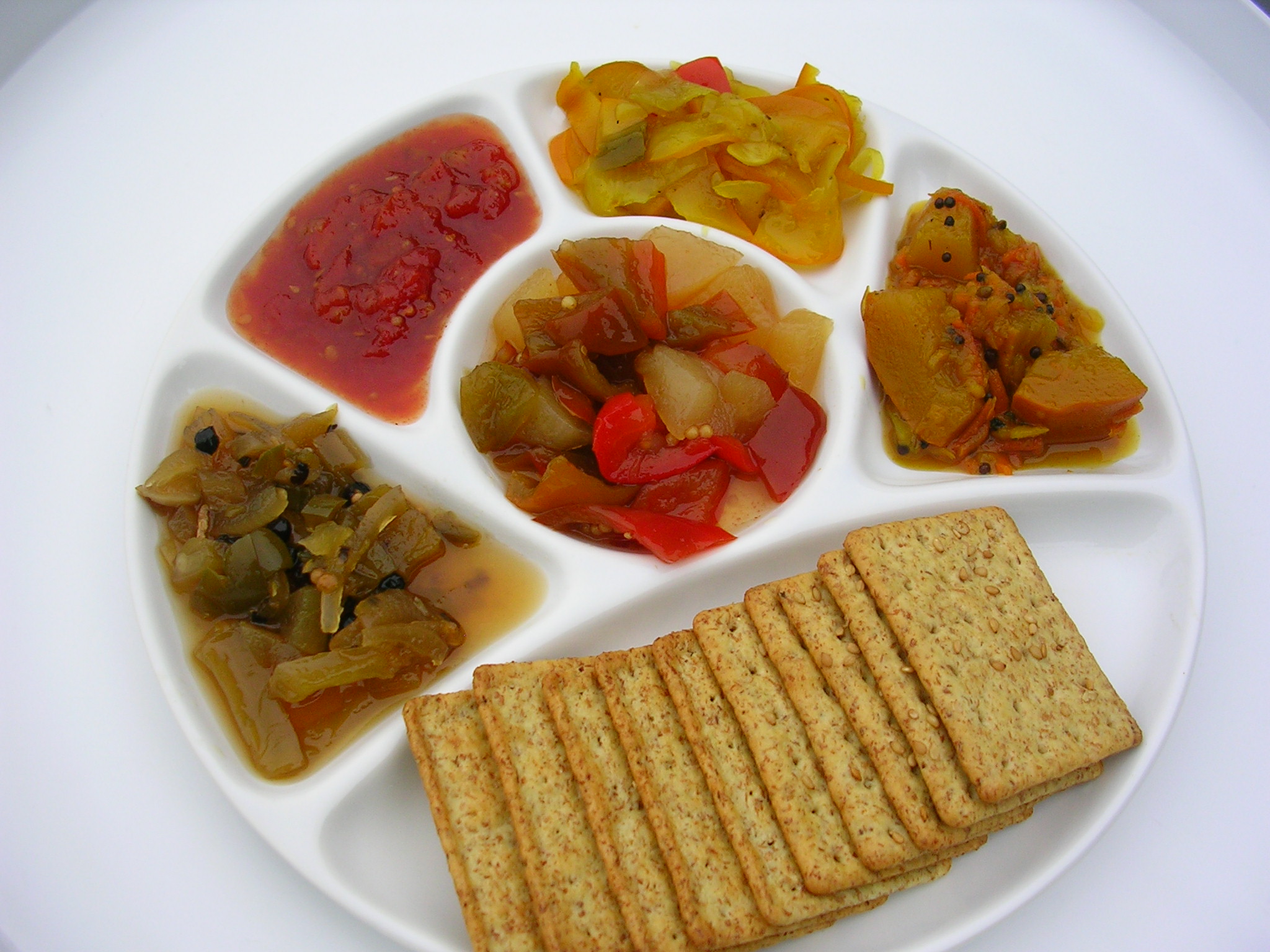
Kelly Geary, author of the preserving cookbook Tart and Sweet, was quoted in a recent issue of Organic Gardening saying that she orders a pickle plate whenever a restaurant has it on the menu. “A pickle plate,” I thought, “what a neat idea. I have canned enough stuff to make one of those at home!” And so I did.

My pickle/relish/chutney plate included my Zucchini RelishGreen Tomato ChutneyGolden Zucchini Chutney, and Red Pepper and Apple Relish (photo center; recipe below). Plus, Mark Bittman’s fabulous Tomato Jam, which I have made every year since the recipe appeared in The New York Times in 2008.

When tasting the different pickles and relishes all at once (not plain though, we had it with rustic whole-wheat bread, crackers, salami, a couple of hard cheeses, and a glass of chilled Vidal Blanc), I was relieved that I did like all of them. But the greatest surprise, given that I just overcame my green tomato apprehension this summer, was that the Green Tomato Chutney was probably my favorite.

Like all the other pickles, the Red Pepper Relish was the result of an overabundance. I had a bumper crop of red peppers this year.

In the past I often ended up with jars that contained mostly liquid. Therefore I now drain the cooked solids before filling the jars. Only then do I add as much liquid as is needed to fill the jars, and discard the rest.

Red Bell Pepper and Apple Relish

8 large red bell peppers

4 large tart apples

3 cups cider vinegar

2½ cups sugar

4 teaspoons yellow mustard seeds

½ teaspoon cayenne pepper

2 teaspoons salt

You also need:

A canning pot, or a very large stockpot

Canning jars, bands, and new (unused) lids

1. Cut the bell peppers in half and remove the seeds and dividing membranes. Cut into ½-inch pieces. Peel and quarter the apples and remove the core. Cut into 1-inch cubes.

2. Combine all ingredients in a large heavy pot and slowly bring to a boil. Stir until the sugar is dissolved. Cook uncovered for 25 minutes.

3. Carefully ladle the piping hot relish into a colander placed over a large heatproof bowl. Fill the solids in sterilized jars placed on a damp kitchen towel. Add enough of the hot liquid from the bowl to cover the solids, leaving about ¼ inch headspace. If the liquid has cooled off, quickly reheat it in the pot.

4. Wipe the rim of the jars with a clean damp paper towel. Close jars with brand new lids and bands immediately and process in boiling hot water bath for 15 minutes.

5. Remove from the water onto damp kitchen towels and let sit for 24 hours. Store in a dark and cool place.

Makes three 1-pint jars

Discovery in pink

When an old friend of mine from Germany recently visited, he raved about the beet dumplings he and his family had on a vacation in Tyrol and started to prepare at home. Of course I wanted the recipe!

First I thought the dumplings were more of a side dish, and I should wait to serve them with some type of roast in the fall or winter. But then I realized they make a very satisfying vegetarian main course, similar to pasta.

The original recipe uses chopped parsley but I thought chives would give the dumplings more flavor. For the sauce, I concocted a cream sauce with wine and shallots.

I am thrilled with this discovery in pink and cannot wait to make the dumplings again when the fall crop of beets comes in.

Beet Dumplings with Shallot Cream Sauce

Dumplings:

1 tablespoon unsalted butter

1 small onion, finely chopped

3½ ounces cooked or steamed beets

2 eggs

1¾ ounces Gorgonzola

4½ ounces dried crustless white bread

3 tablespoons flour, more as needed

2 tablespoons snipped fresh chives

1 teaspoon salt

Sauce:

1 tablespoon butter

3 shallot lobes, finely chopped

¼ cup dry white wine

¾ cup heavy cream

Salt

Freshly ground black pepper

1. For the dumplings, melt the butter in a small skillet and cook the onion until translucent and soft, stirring often. Set aside to cool.

2. Process the beets with the eggs and the Gorgonzola in the food processor or blender until smooth.

3. Cut the bread in small cubes and place them in a large bowl. Pour the beet mix over them. Add the cooled onion and mix everything until well combined. Add 3 tablespoons flour and mix well. Add the chives and salt to taste. Cover and let stand for 15 to 30 minutes.

4. Bring salted water to a boil in a large pot. Reduce the heat to a mere simmer. Place a thumbnail-size test dumpling in the simmering water. If it holds, the consistency is fine; if it falls apart, add more flour to the mix, one tablespoon at a time.

5. With wet hands shape dumplings of about 1.5 inches in diameter and place them in the simmering water. Do not overcrowd the pot; the dumplings should not touch each other. Simmer until the dumplings float on the surface, about 10 to 15 minutes. When they are done, remove them with a slotted spoon to a warmed serving bowl. Cover with a lid to keep them warm.

6. While the dumplings are simmering, prepare the sauce. Melt the butter in a small saucepan. Add the shallots and cook until soft and translucent, stirring often. Add the wine and increase the heat. Cook until the wine has evaporated almost entirely.

7. Add the cream and reduce the heat. Simmer uncovered until the sauce has thickened, about 10 minutes. Season with salt and pepper. Pour the sauce over the dumplings and serve.

Makes 4 servings