From snails to kale

It’s funny how dramatically food tastes can change between childhood and adulthood. When I was little, my favorite dish to order at restaurants were vineyard snails in a parsley-garlic sauce, turtle soup and frog legs. Now I must explain that in the late 1960s and early 1970s, those foods might have been a bit unusual for a child but they were not stigmatized as they are today. Turtle soup was President Taft’s favorite food and he even had a special chef dedicated to making it without ever being accused of animal cruelty.

Unless I were very hungry and had nothing else to eat, I would not touch any of those foods any longer. Today I love many of the foods I dreaded as a child: beets, kale, capers, white asparagus… It was definitely the way they were prepared that made all the difference. The only form of beets I remember were soft, soggy pickled beets in a can, the smell and look of which already appalled me. Those beets had nothing to do with a beet roasted in the oven and tossed into a crunchy wholesome salad. Kale was similarly off-putting. It only came in a heavy stew with fatty meat, sausages and overcooked potatoes.

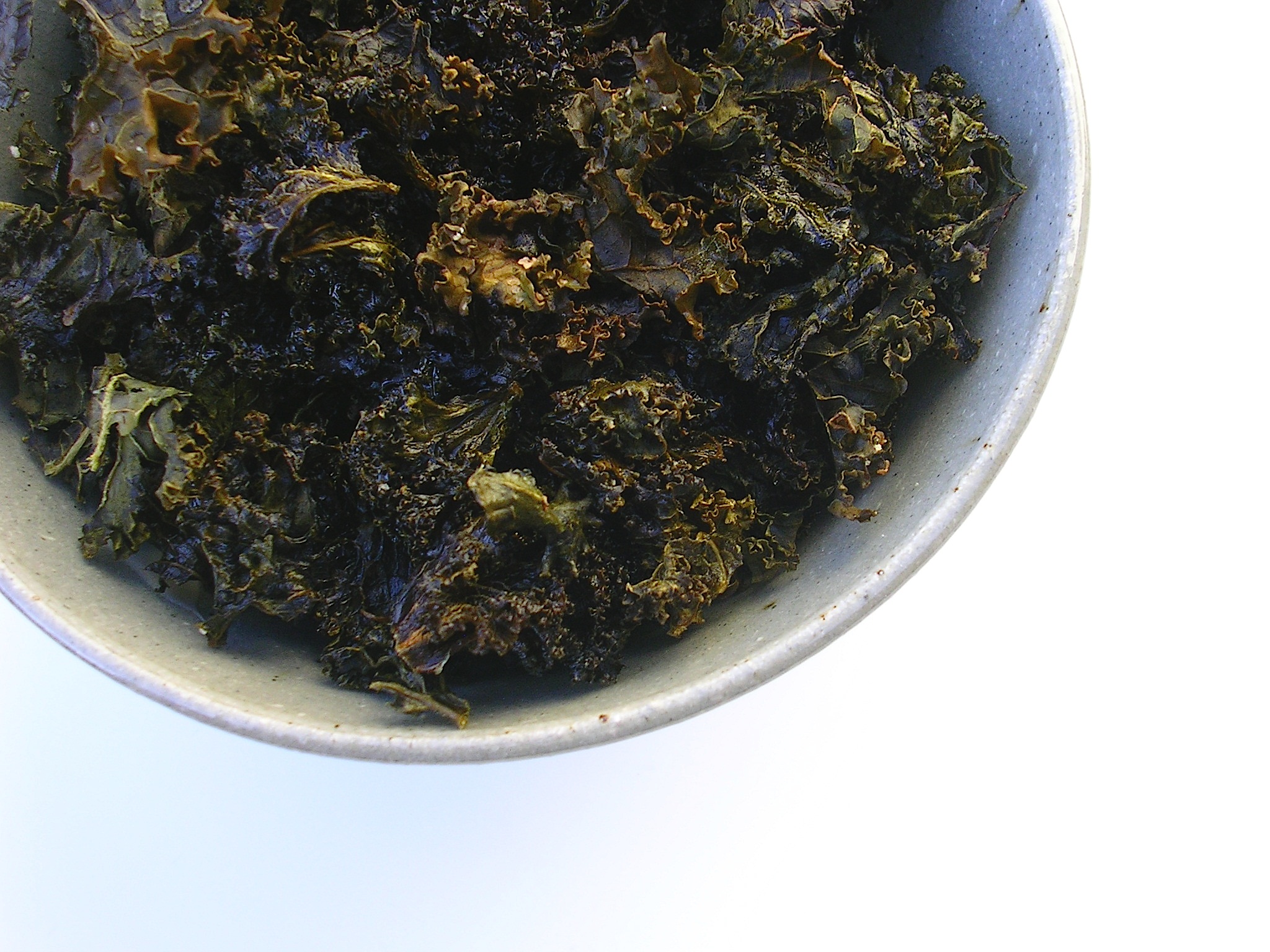
I grew kale for the first time last fall and used it only for vegetarian dishes, the One Pot Kale and Quinoa Pilaf from food52 and these simple kale chips being my favorites. Yesterday I harvested the last kale to make room for the spring crops.

These kale chips are addictive. They are very easy to make but require a bit of time, as you need to stand by and make sure they don’t burn. After I charred one batch I decided to leave them in the switched-off oven for the night; this morning, they were perfect.

There is room for experimentation here. Most recipes for kale chips use herb salt and olive oil, but I find that garlic-infused or herb-infused oil tastes great as well. This time, I used the strained leftover oil from marinating feta cheese with herbs and garlic, which I found a pity to discard.

Lately I have been too tied up with other things to do anything about the garden but today I will finally order seeds. I cannot think of a better and more motivating nibble to accompany this than homemade kale chips. That is, if there are any left, as my husband loves them too.

Kale Chips

1 large bunch of kale

1-2 teaspoons olive oil or garlic oil

2 teaspoons mixed dried herbs, such as Herbes de Provence

2 teaspoons kosher salt

1. Preheat the oven to 350 degrees F. Line a baking sheet with parchment paper.

2. Remove the middle ribs from the kale leaves with a sharp knife or kitchen scissors and discard them. Tear the leaves into bite-size pieces. Toss with olive oil, herbs and salt to coat evenly.

3. Spread on the prepared baking sheet and bake in the preheated oven for 15 minutes, turning once or twice. Switch off the oven and leave for a few hours until the chips are completely dry.
Green legacy

Pepper spreadMy father-in-law, who passed away this month, used to tell me about his beginnings in gardening: two tomato plants and a cucumber in a Victory Garden at the end of World War I. Children, especially those of struggling immigrants, did surely not receive any pocket money in those days, so the dime he received as a prize for the tomatoes must have been quite special for a nine-year-old.

He also told me that two of the most difficult things he had to do in his life was closing his medical practice upon retiring, and taking down his garden when he was no longer able to physically do the work.

I never saw my father-in-law’s garden, as it had disappeared years before I first met him.  I only saw photos of it, yet I could tell that the area that is now just lawn must have once delivered a cornucopia of fruits and vegetables.

We talked gardening often, he sitting at his usual place at the end of the long kitchen table with a view of the back yard where his garden used to be. I remember him laughing out loud and shaking his head over and over again when I told him I had planted almost two dozens of tomato plants. “What the heck will you do with so many tomatoes?” he asked. My answer, “Soup, sauce, freeze them whole so I don’t have to ever buy canned tomatoes,” did not quite seem to convince him. However, after we brought along a few bags of homemade frozen cream of tomato soup in the midst of winter, he did not question the number of my tomato plants again.

These past few weeks have not been easy, and I have even wondered whether I would have the oomph to plant a garden this year. But then I remembered how my father-in-law told me that he always had some sort of a garden and was growing something, no matter where he lived, and no matter what difficult times he was going through. When we buried him, we buried his rusty shovel with him. Thinking about this, I feel that I simply must plant a garden this year to continue in his spirit.

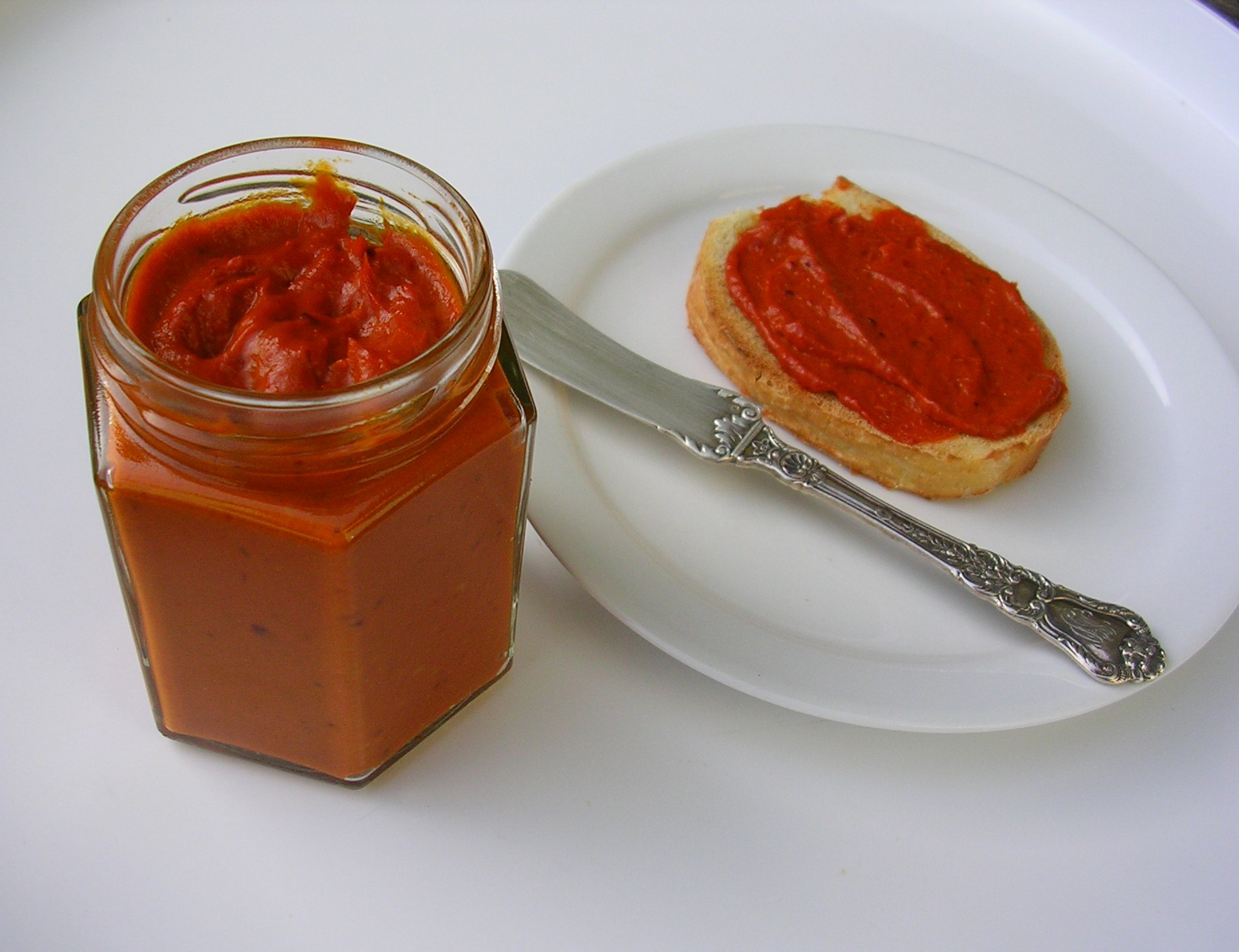
After several bags of frozen bell peppers and jalapeños have reproachfully looked at me every time I opened the freezer, I finally made a batch of red pepper spread today. I never bother to remove the skins, those are all healthy fibers. After cooking the peppers slowly in the oven and pureeing them, the spread is so smooth it is almost impossible to tell the peppers have not been skinned. The spread tastes a bit like Harissa but it is much milder. For a hotter version, just add more jalapeños. Starting with two pounds of seeded peppers sounds like a lot but they shrink considerably.

Pepper spread before pureeingRed Pepper Spread

6 to 7 large red bell peppers, seeded (about 2 pounds)

2 jalapeños

1/3 cup olive oil

6 small garlic cloves (3-4 fat ones)

Salt

Extra-virgin olive oil

1. Preheat the oven to 375 degrees F.

2. Coarsely chop the peppers. Seed the jalapeños and chop finely. Chop the garlic.

3. Mix all ingredients except for the salt and put in in a large ovenproof dish with a lid, ideally a cast-iron casserole or Dutch oven.

4. Cover and cook for 1 hour, then remove the lid and continue cooking until the peppers are very soft and look almost melted. Stir and scrape down the sides once in a while with a rubber spatula.

5. Remove from the oven and cool. Puree very finely and salt to taste.

6. Fill the spread in a glass jar and pour a little bit of extra-virgin olive oil on top to prevent the spread from drying out. Refrigerate and use within a month.

Makes 1 jar

Breaking the rules for paella

For kids, three months of summer vacation can be quite boring if you live in an isolated location in the country and cannot just walk down the street to hang out with friends. To keep our son busy (and preserve our sanity), a few summers ago my husband commissioned him to do a few short videos. One of the videos he made was about high-fructose corn syrup. Our son discovered that we are an almost HFCS-free household. When he searched our pantry and fridge for props, the only product containing HFCS he found was a bottle of mustard.

MSG is another blacklisted ingredient. It is not difficult to avoid HFCS and MSG when you cook mainly with fresh or frozen ingredients and make as much as possible from scratch. Yet I must admit that I deviate from my own rules once in a while for convenience or taste, or both.

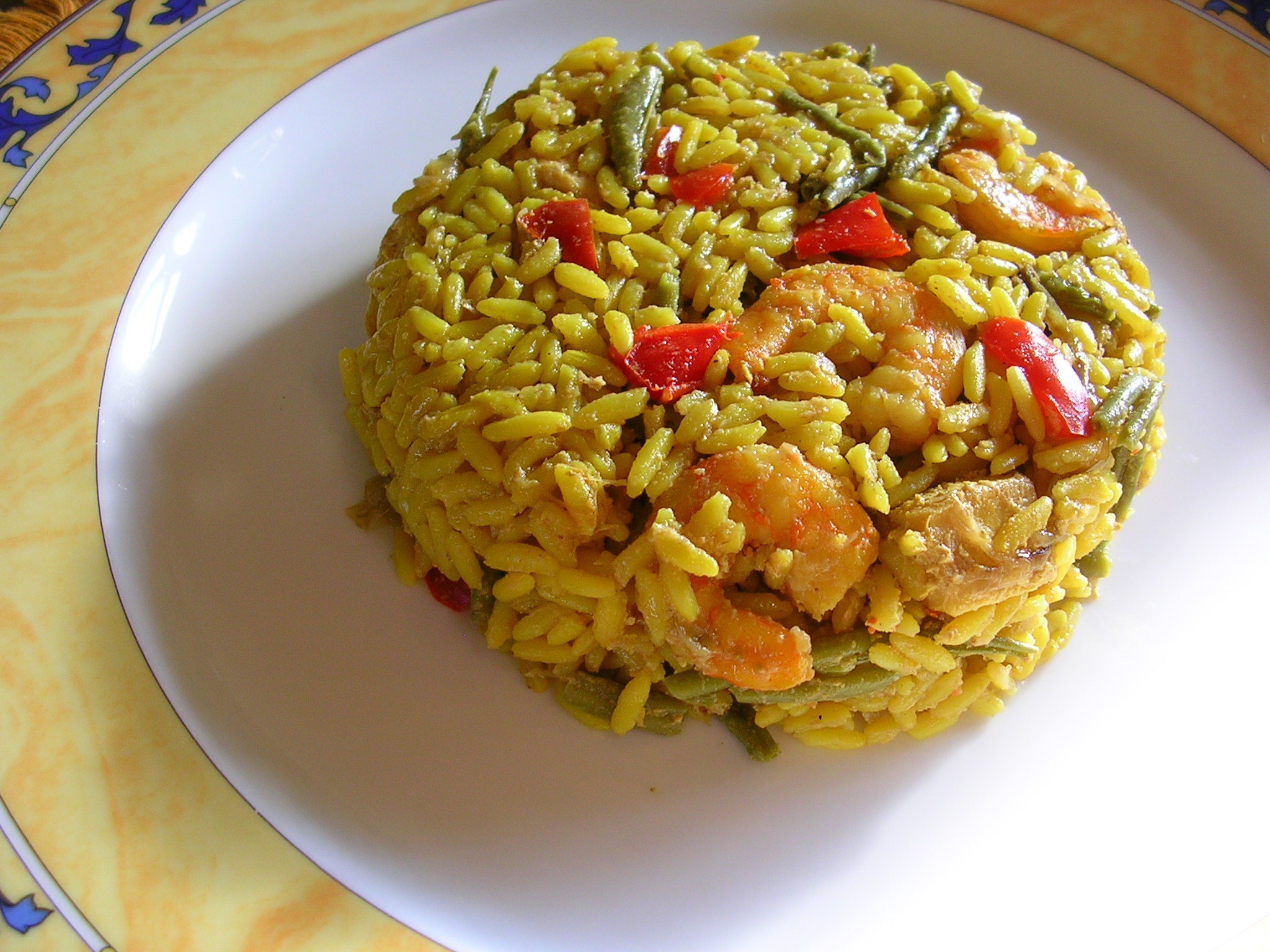
For paella, for example, I use yellow rice mix, aka Spanish rice, which sometimes contains MSG. When I cannot find brands that are MSG-free, I remove about half of the heavy seasoning from the uncooked mix by placing it in a colander and shaking it a few times over the sink. The remaining amount of MSG is minimal. MSG usually gives me terrible migraines but I have never felt a thing after eating this paella.

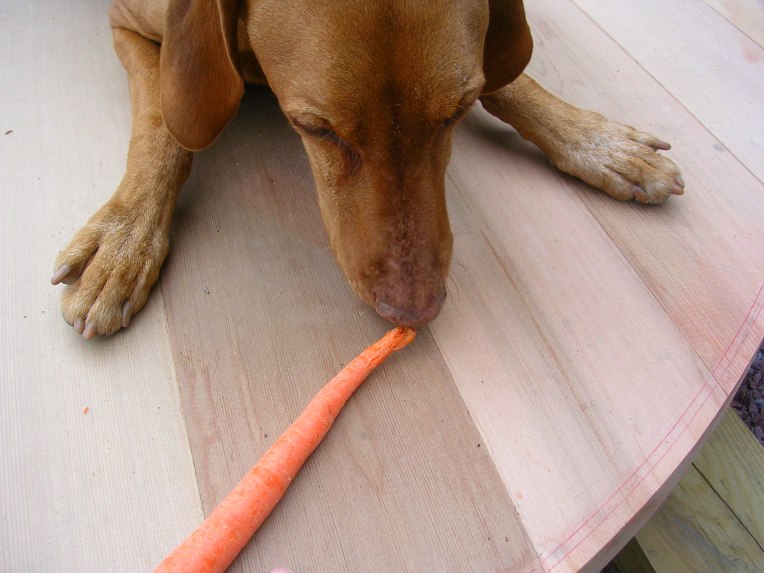
This recipe is adapted from Paella, Fast and Easy in Mark Bittman’s The Minimalist Cooks at Home. I doubt whether Mr. Bittman would agree with my using yellow rice mix from the package but since I adhere to most of what he advocates so passionately, I hope he would let this one slip.Most of the vegetables for the paella – peas, greens beans, and bell peppers – come from my garden, fresh during season, frozen in the winter. When I made the paella yesterday I did not have peas, as the supply of peas from the garden is already gone. We were also out of carrots; unaware of my dinner plans, my husband fed the last carrot to our dog, whose favorite treat is carrots.

To make up for the missing peas and carrots, I doubled the amount of bell peppers and green beans. And, instead of chicken broth, which I normally use for liquid, I used homemade turkey broth from our Thanksgiving turkey, also coming from the depth of our freezer. This recipe offers lots of flexibility in terms of ingredients.

One little trick: my son does not like peppers so I omit them in half of the paella and place a piece of triple-folded aluminum foil across the pan. After the paella is cooked, that barrier can be removed very easily.

Paella

4 cups chicken broth

1 cup fresh or frozen green beans

1 red bell pepper

1 carrot

1 onion

1 swordfish steak (about 6 ounces)

3 tablespoons olive oil

2 cups yellow rice mix (Spanish rice), some of the seasoning removed as described above

1 cup fresh or frozen peas

½ pound uncooked shelled and deveined medium-size shrimp (41-50 count)

1. Preheat the oven to 450 degrees F.

2. Heat the chicken broth in a saucepan.

3. Cut or break the green beans into bite-size pieces. Cut the pepper in half, remove the seeds, and cut into ½-inch pieces. Peel the carrot and cut into ¼-inch cubes. Halve the onion and slice very thinly. Cut the swordfish into ½-inch cubes.

4. Heat the oil in a large cast-iron skillet. Add the onion and cook for 5 minutes over medium heat until translucent, stirring often.

5. Add the rice mix and stir to coat. Cook for 2 minutes until it turns glossy. Add the hot broth and stir (stand back, it will steam when you add the broth).

6. Add the shrimp, fish, and vegetables, distributing them somewhat evenly. Bring to the boil, then carefully transfer the pan to the preheated oven. Cook for 25 to 30 minutes, until the rice is cooked through and the broth is absorbed. If during the cooking some of the vegetables start to poke out, gently push them back into the liquid so they won’t dry out. Do not stir.

7. Remove the paella from the oven and let stand for 5 minutes before serving.

Makes 6 to 8 servings

The party goes on

Taking red currants out of the freezer for Red Currant Meringue Pie on January 1 is one of the great pleasures of being a gardener. The moment when I poured the frozen pearl-like red currants out of the bag, all the hard work of getting them into that bag was forgotten, although last year was not a good season for currants. I had less than two pounds, which makes today’s pie even more precious. The recipe can be found in my cookbook Spoonfuls of Germany.

While I dread the long, cold winter on our mountaintop in northeast Pennsylvania, I do not wish to live in a place where gardening is possible year round. Each time I wash store-bought lettuce, I think how wonderful it will be to have our own tender greens again in the spring. I would not want to trade the physical and mental 5-month break from gardening, and my looking forward to the new gardening season, for a non-stop crop of lettuce.

Gardening is like a party, where the anticipation and the preparations are part of the fun. Deciding what to grow is like drawing up the guest list. Making a crop rotation plan is like determining the seating order; just like people, not all plants get along with each other. Selecting and ordering seeds is like planning the menu and going shopping. After all is set up and ready, waiting for the wondrous moment when the seedlings emerge is like waiting for the guests to arrive. When they do, all you can do is make sure they feel comfortable and stay as long as you want them to. Enjoying the harvest, fresh from the garden or months later in frozen or canned form, is an ongoing feast!