Bread and butter (definitely bread)

I could live without many foods but not without bread. I could even skip the butter but not the bread. Real bread that is: baked from scratch and not par-baked and frozen. Maybe it is because I spent most of my life in Germany, which boasts endless varieties of wholesome bread, that good bread is so essential for me.

When it comes to bread we live in a sort of no man’s land; there is no place to buy decent bread within at least a 30-mile radius. I wish I could like phoebe’s pure food in neighboring Berks County declare some place the best gluten-free bakery but there is no such bakery around here, let alone a gluten-free one…

For a short time I ordered bread by mail but that was decidedly too costly, and the loaves did not become fresher from traveling cross country for several days. Then I started baking our own.

Baking bread is a bit like gardening. The outcome is unpredictable. Working the soil and working the dough both feel great. Watching the dough rise is like watching plants grow. And, finally, pulling a loaf of bread out of the oven is as utterly satisfying as pulling a bunch of radishes out of the ground.

I have a few basic rules for bread baking. If I am not in the mood, I will not do it. I never start the process when I am rushed and have to be out the door within the next few hours. Working from an office in the house certainly helps a lot, as I can run upstairs to the kitchen to punch down the dough etc. as needed. While I think quality ingredients are important, I am not religious about it – not everything has to be organic. Home-baked bread must be stored in the fridge or frozen because it does not contain any preservatives and molds much quicker than store-bought bread.

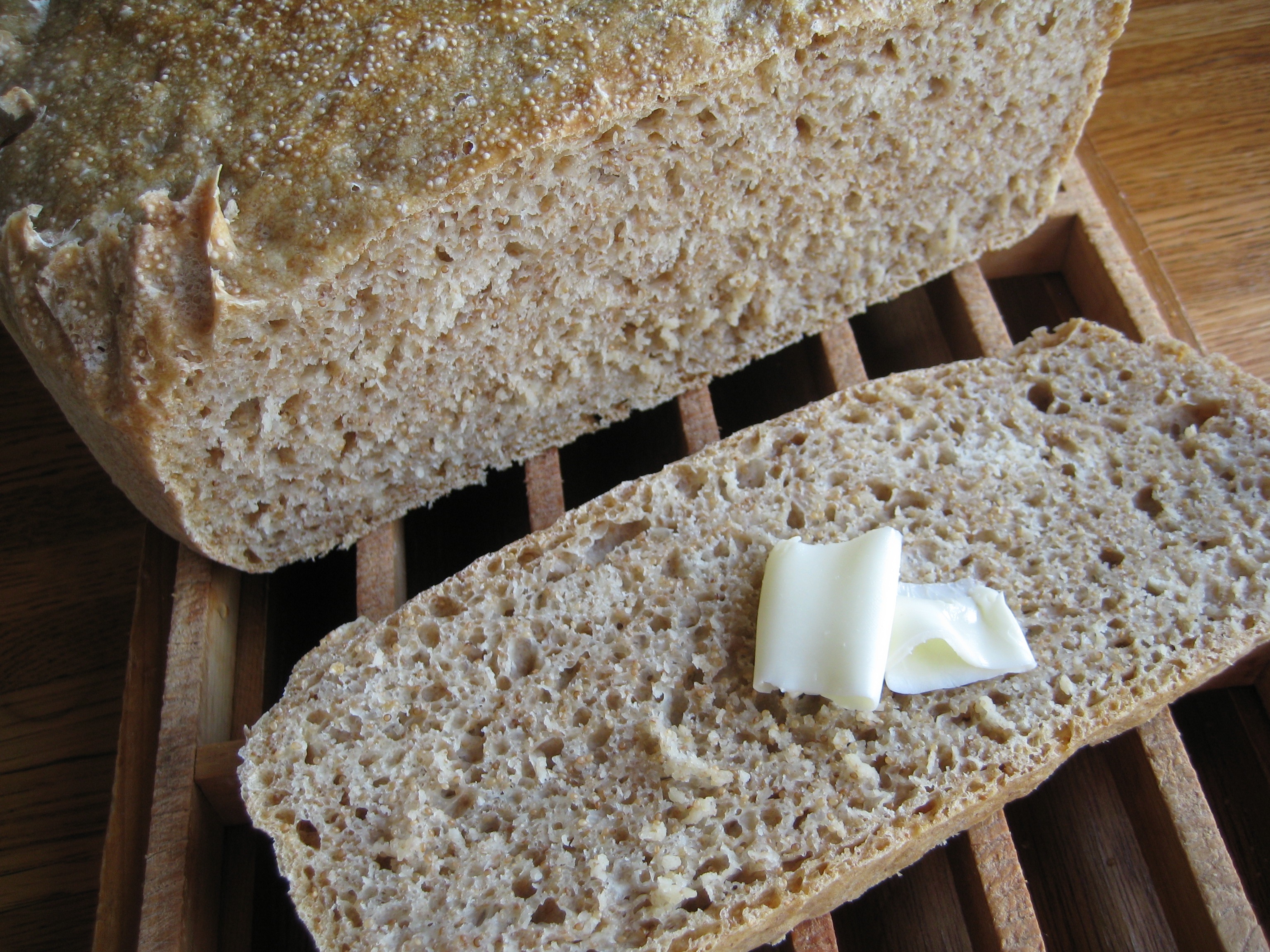
Not every loaf is great but the bread is always edible. As good as it gets for an amateur, I am telling myself and try not to fret about air holes and other imperfections. The problem that occurs the most is that the final product is a bit dry. That’s why this chewy no-knead bread baked in a cast-iron Dutch oven is one of my favorite bread recipes: the dough can be really sticky because it is not shaped into a loaf. I often experiment with different combinations of flours and grains. Here is my first attempt with amaranth.

Whole Wheat Amaranth Bread

This makes a large loaf in a 5.5-quart cast-iron Dutch oven. For a small loaf I use a 3.5-quart oval Dutch oven.

1 cup amaranth

1½ tablespoons dry yeast

3 cups lukewarm water

1 tablespoon salt

4 cups bread flour

1½ cups whole-wheat flour

1 tablespoon gluten

You also need:

A large Tupperware container with lid

A cast-iron Dutch oven with a heatproof lid up to 450 degrees F

Parchment paper

Spray bottle

1. Toast the amaranth in a large ungreased skillet over medium to high heat until it starts to pop, stirring and shaking the skillet often. Make sure not to burn it. Set aside to cool.

2. Mix the yeast with ½ cup of the water in a small bowl. Stir well and set aside for 10 minutes until it foams. If it doesn’t, the yeast is not active any more, then you need to discard and try with a new batch.

3. Mix the cooled amaranth and flours with the salt in the container. Add the remaining 2½ cups water and the foamed yeast mix. Mix well with a wooden spoon until the dough is evenly moistened and no flour pockets remain. Tightly place the lid on the container but leave one corner of the lid unattached (if you close the whole container tightly, the lid will pop off). Let rise at room temperature for 2 hours.

4. Line a tall bowl or a container that is the same size as the Dutch oven, or slightly smaller, with a large piece of parchment paper.

5. Knead the dough briefly in the container and dump it into the the parchment-lined bowl. The dough is rather tacky and moist. Do not add any more flour, otherwise the bread will be too dry. Transfer the dough to the bowl and cover loosely with a kitchen towel. It should not touch the dough even after the rise, so I place some taller objects, such as a pot or a cookbook holder, on both sides of the bowl and place the towel on top like a tent. Let rise for 1.5 hours.

6. About 1 hour into the rise, preheat the oven to 450 degrees F. Adjust the oven rack to the middle of the oven.

7. Once the oven has reached its target temperature, put the empty Dutch oven covered with the lid in the oven and leave it in there for 20 minutes. If it sits in there longer, no problem, the crucial thing is to have it hot when you put the bread in it.

8. Remove the Dutch oven from the oven and place it on a heatproof surface or trivet. Take off the lid and place it out of reach so you don’t risk touching it.

9. Carefully lift the dough with the parchment paper out of the bowl. This is best done by grabbing onto the four corners of the parchment paper. Hold onto as much of the paper edge as you can. Plop it into the Dutch oven. Carefully cut off with scissors any parchment above the rim. Spray the surface of the dough with a bit of cold water. Cover with the lid and place it in the oven.

10. Bake covered for 30 minutes, then remove the lid and back for an additional 10 minutes. Remove from the oven and lift the bread out of the Dutch oven right away. Peel of the parchment and cool completely on a cake rack.
Garden foes, garden woes, and a broken toe

Whenever I grab the sledgehammer to drive a bamboo stick into the ground in order to secure something in the garden, like I did this morning, I must think of the time when I paid my attempt to protect the tomatoes from predators with a broken toe.

It was a few years ago in August. The tomatoes were heavy with fruit and just starting to ripen. One morning, I found the first fully red tomato on the ground, a big bite taken out of it. The next morning, the same thing. And the day after that, two tomatoes.

As my husband and I were having coffee that morning, I must have given him the “if-you-want-tomato-sauce-this year-you-better-do-something” look before heading out the door. When I pulled up the driveway at midday, I found him in the garden, sweating in the hot sun, putting the finishing touches on a 2-foot wall he had built around the entire tomato patch, using every single piece of plywood and scrap wood he could find in the shed. I gave him a big hug and called him my tomato hero.

The next day I found… another chewed tomato. My husband had gone with our son to his baseball game so they could not hear me scream and curse. By afternoon, and after some frantic research, I finally had a plan. Since the damage most likely occurred at night, I was going to nail a blinking bike light to the inside of the wall, which would deter whatever munched on the tomatoes.

I hastily kicked off my garden shoes at the door and rushed into the garage in socks to fetch the bike light, a nail and a hammer. Not waiting for the light over the workbench to turn on completely, I reached into the shelf for the hammer… and pulled out the sledgehammer sitting on top, which crashed on my foot.

When my husband and son came back a couple of hours later, they found me in the kitchen, my foot in a bucket with ice, wailing. I prefer not to repeat their comments, and neither the comments and looks I got in the following weeks when all I could wear was sandals and someone saw my bruised foot and I had to tell my story.

After I was somewhat able to move around again, I hobbled down to the garden and angrily tossed the bike light into the tomato patch. I left it switched on even during the day and gave a damn about the battery.

The chewing stopped. We had a bountiful tomato harvest. A few more years of critter warfare followed before we turned the main garden into a real fortress that only humans with two free hands to lift the gate, winged insects, and an occasional chipmunk can access. Now I grow everything that has a remote chance of being eaten (including tomatoes) in that fenced-in area, and all the perennial plants that critters usually leave alone (raspberries, blackberries, red and black currants, gooseberries and rhubarb) are outside. This year I boldly snuck a watermelon into the outside garden too. So far so good but maybe it has just not been discovered yet.

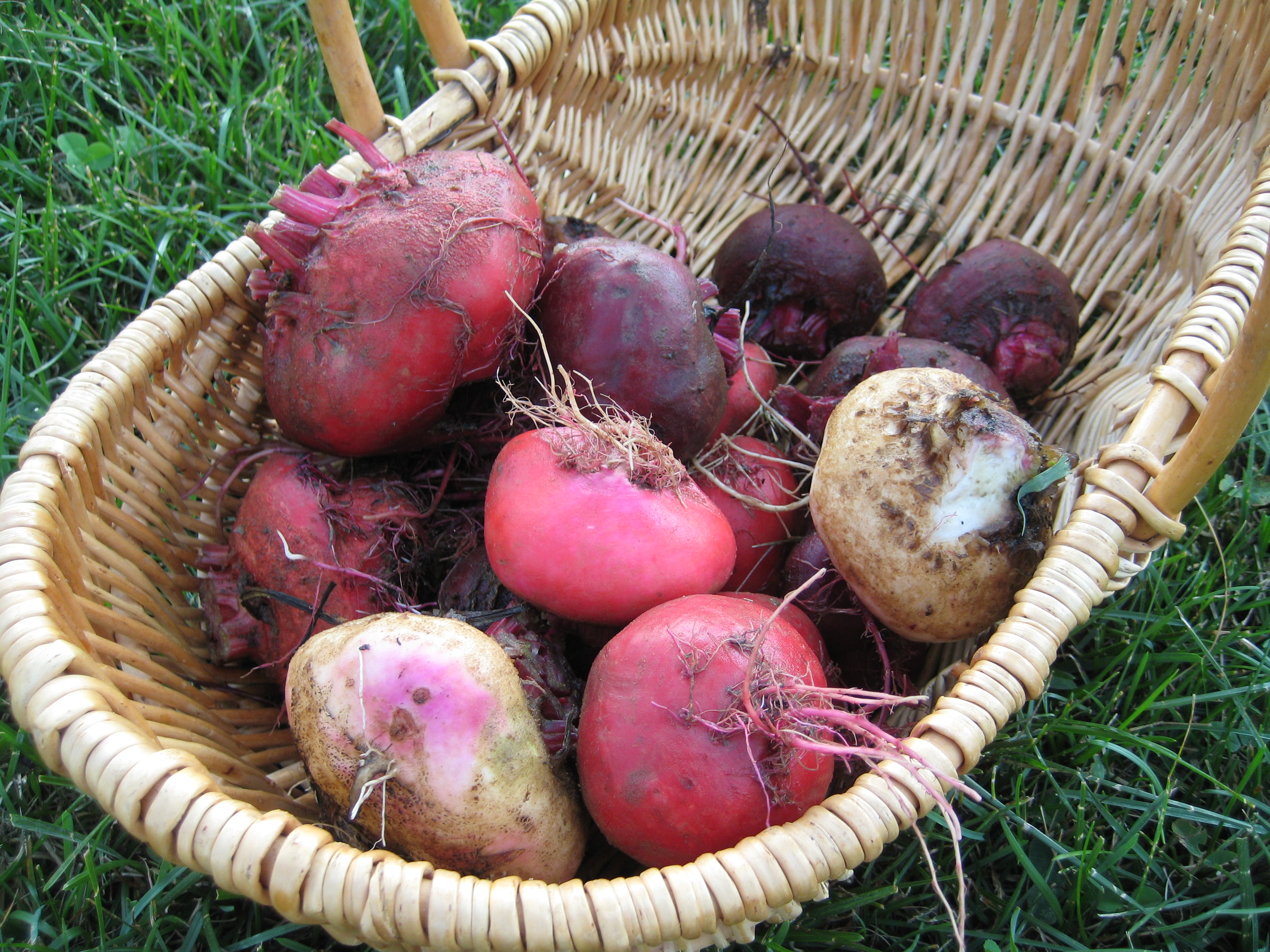
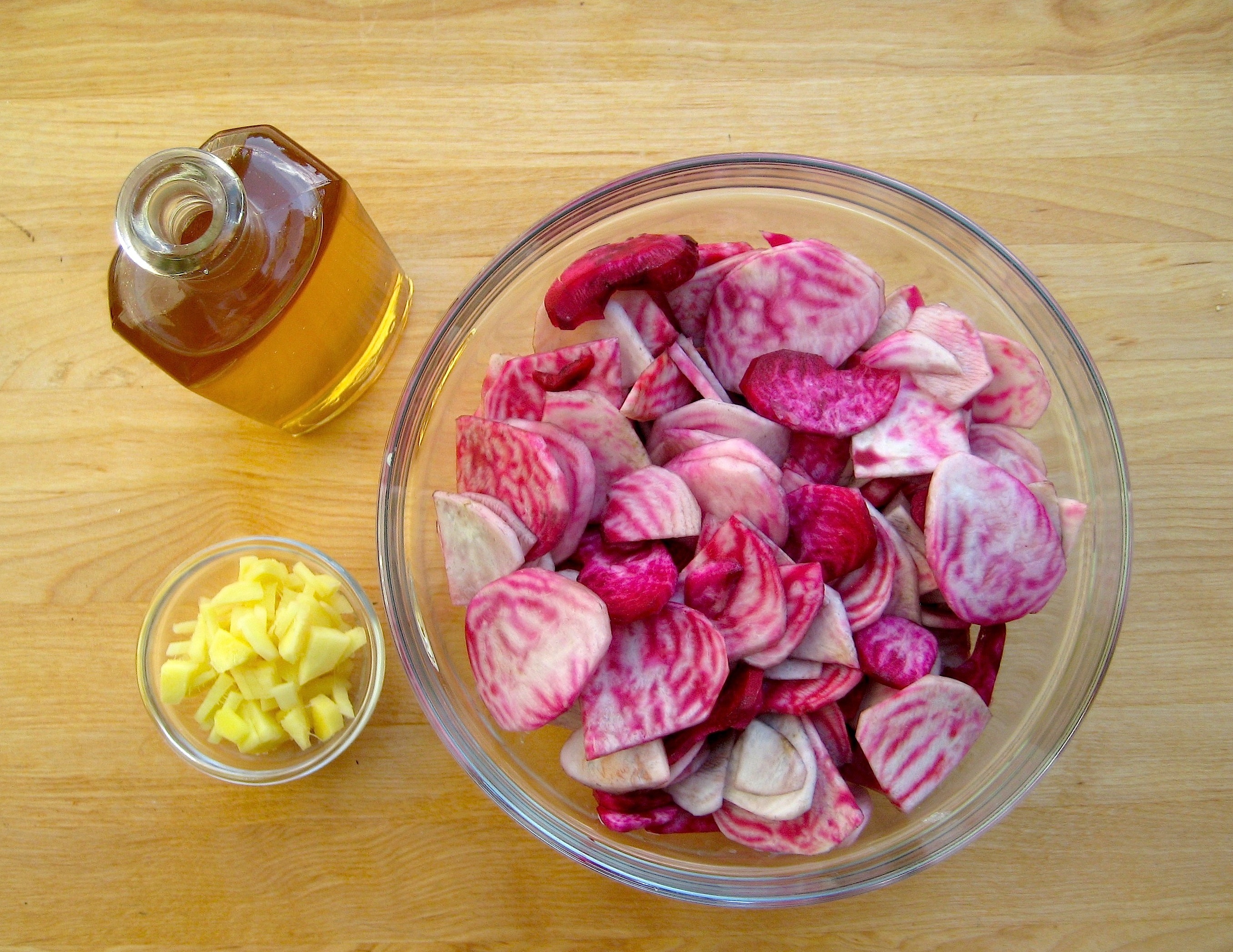
After I drove the bamboo stick in the ground this morning, I pulled the last spring beets – beautiful striped Chioggia and Crosby’s Egyptian. It is amazing how happy an arm full of beets can make me. This would have been unthinkable in the days of bunny warfare – the tender beet leaves were one of the first things to be chewed down to the ground by rabbits.

I made Amanda Hesser’s fabulous Gingered Beet Pickles but used my own Elderflower Vinegar instead of white vinegar. Any other fruity vinegar will do as a substitute.

Zucchini glut? I wish

Usually in July I try to find new zucchini recipes. Not this year. The cucumber family in my garden has taken a terrible beating. Between zucchini, cucumbers and my beloved Charentais melons (no sorbet this year, alas), I lost more than 25 seedlings to the striped cucumber beetle. Not only does it eat the plants, it also transmits bacterial wilt, a disease that makes plants collapse overnight and against which there is no cure.

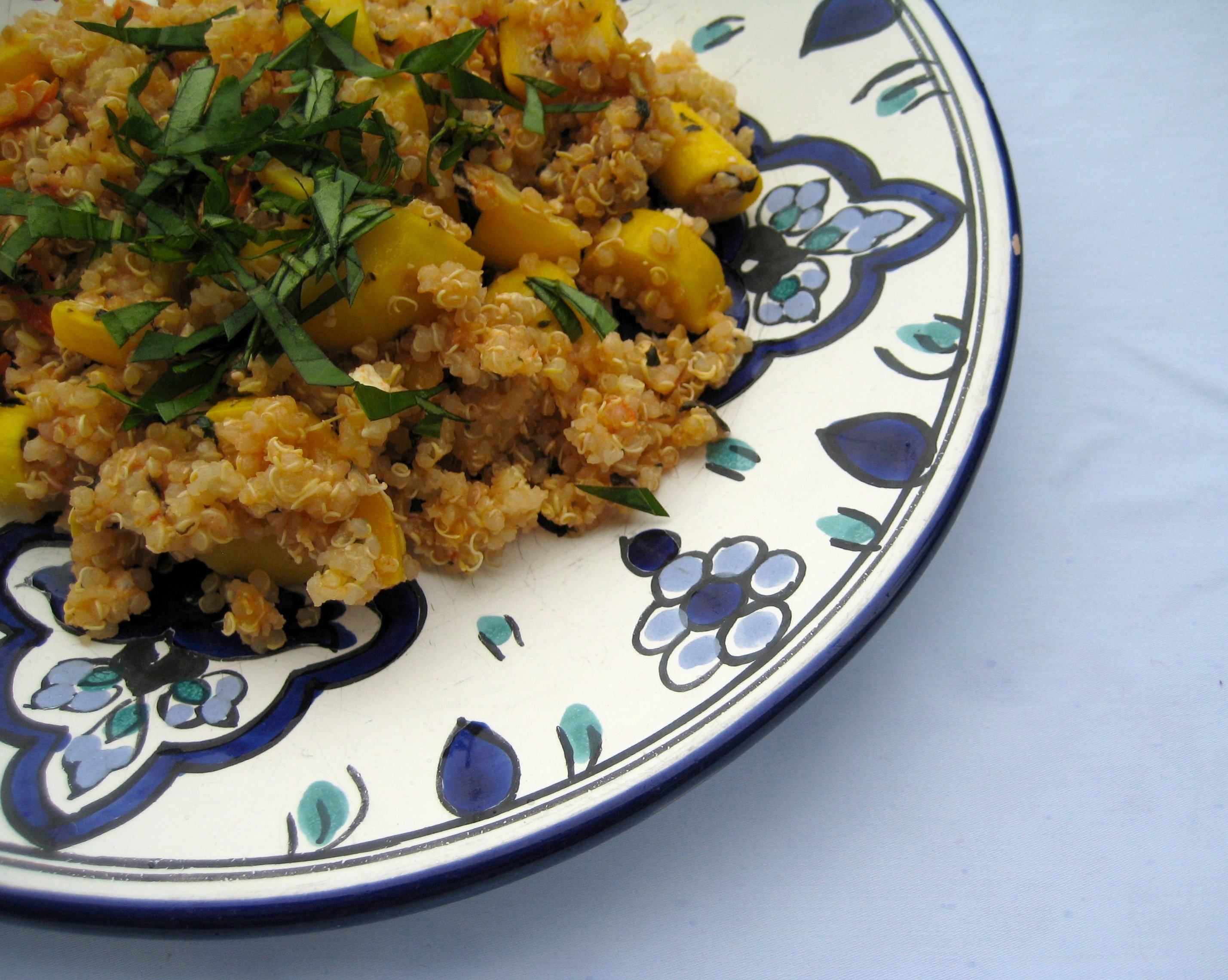
I thought the worst was over but yesterday I found my only surviving zucchini plant spread out in a sad wilted mass, full of blossoms and baby zucchini. The zucchini are perfectly fine to eat, and since we won’t have zucchini for a while, the pilaf I made with them tasted quite special. The next set of seedlings is just ready for transplanting, and who knows whether they will even make it that far.

I made a promise to myself: never to complain about too many zucchini ever again!

Quinoa Zucchini Pilaf

This can also be made with regular zucchini, in which case the seeds should be removed.

1 cup quinoa

Salt

6 to 8 baby zucchini, or 1 medium zucchini

1 cup cherry tomatoes

2 tablespoons olive oil

3 garlic cloves, finely chopped

Freshly ground black pepper

4 ounces crumbled feta

1/2 preserved lemon, rind only, finely chopped

3 to 4 tablespoons chopped fresh basil

1. Wash the quinoa thoroughly in cold water at least twice. Drain in a fine sieve.

2. Put the quinoa in a small saucepan with 1.5 cups water. Salt lightly and bring to a boil. Reduce heat to a simmer, cover and cook until the water has been completely absorbed, about 15 minutes. Fluff with a fork.

3. Dice the zucchini and halve the tomatoes. Heat the olive oil in a wide medium pot or a skillet and cook the garlic for 1 minute, do not let it brown. Add the zucchini and cook until it just starts to brown at the edges, stirring often.

4. Add the to tomatoes and cook for about 7 minutes, until most of their juice has evaporated.
Transfer to a large bowl.  Add the quinoa, feta, lemon rind and basil. Toss and season with salt and pepper. Serve warm or at room temperature.

Makes 4 servings

Catching up with an old flirt

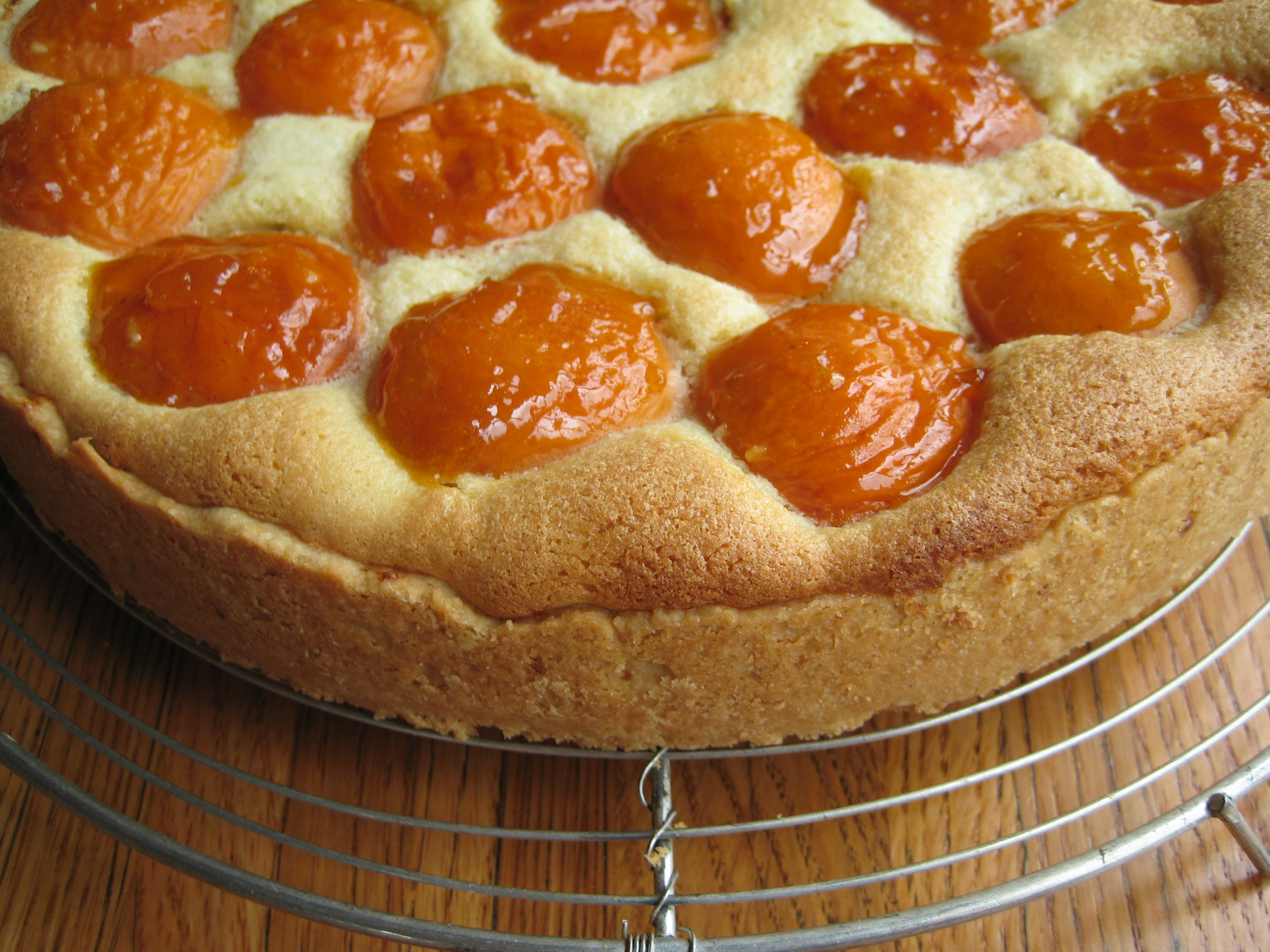
Since I was given Lidia Bastianich’s Lidia’s Italian Table as a wedding gift more than a decade ago, I have been flirting with her Blueberry-Apricot Frangipane Tart every so soften. Yet I never made it because either I did not have fresh blueberries and apricots at the same time, or no almond flour at hand, or not enough time, or all of the above.

Today was finally the day, thanks to an extended trip to the blueberry patch yesterday and the last apricots from County Line Orchard, my favorite source for locally grown fruit.

As I was lining up all the ingredients, I started revolting. One whole stick butter for the filling, in addition to the stick already required for the crust… that is too much butter for my taste in a tart where fresh fruit should be the star. So I concocted an alternative batter, substituting the butter with milk and using confectioners’ sugar instead of sugar to make it smoother. I also separated the eggs and beat the whites stiff for a fluffier consistency. Finally, since I did not have ½ cup apricot jam for the glaze (since I make our own jam, I try to avoid buying any), I made my own using two extra apricots.

If you have great expectations in a book or a movie, and then it turns out not to be what you expected, you are more or less stuck. The great thing with recipes is that you can tweak and fit them to your taste so you are still happy and satisfied at the end!

Blueberry-Apricot-Almond Tart

Crust:

¼ cup sugar

Zest of 1 lemon

1½ cups flour

Pinch of salt

½ teaspoon baking powder

1 stick chilled butter, cut into small cubes

1 large egg yolk

1 tablespoon ice water, more as needed

Apricot glaze:

1 to 2 ripe apricots, halved and pitted

¼ cup water

2 tablespoons sugar

1 tablespoon honey

Filling:

1 cup (4 ounces) almond flour

½ cup (2 ounces) confectioners’ sugar

2 large eggs

½ cup milk (2%)

1 cup fresh blueberries

1 pound ripe apricots, halved and pitted

1. Put the sugar and the lemon zest in the food processor and process until the lemon zest if finely chopped (doing this infuses the sugar with the lemon flavor). Add all the flour, salt, baking powder, butter and egg yolk and process until the dough starts holding together and detaches form the sides of the food processor bowl. Add 1 tablespoon ice water and pulse until the dough almost holds completely together. Remove it from the bowl, picking up all the crumbs, and gently press it together to a compact ball. Place in a container with a lid and refrigerate for 1 hour.

2. In the meantime make the apricot glaze. Puree the apricots with the water until smooth. Mix in a small saucepan with the sugar and honey and cook over low heat until tick and sticky, stirring often to prevent scorching. Set aside to cool.

3. Remove the dough from the refrigerator. Butter and flour a 10-inch cake pan. Roll out the dough between two large sheets of wax paper to fit the bottom of the pan plus 1 inch rim all around. Lift the top wax paper, flip the dough over and fit it into the pan. Even out the rim (if you are a bit short in some spots, patching is OK, this won’t be visible later).

4. Prick the crust with a fork several times and place in the freezer for 10 minutes. Preheat the oven to 350 degrees F.

5. In a bowl mix the almond flour and the confectioners’ sugar. Separate the eggs. Add the yolks to the batter together with the milk. Beat until smooth. In another bowl beat the egg whiles until stiff. Fold them into the almond batter.

6. Remove the cake pan from the freezer. Using a pastry brush evenly coat the bottom and the sides of the crust with apricot glaze. Scatter the blueberries on top.

7. Gently spread the almond batter over the blueberries, taking care not to lift them up, and even the top with a spatula.

8. Arrange the apricot halves on top with their cut sides down, starting with a circle all around, then forming additional smaller circles.

9. Bake in the preheated oven for 40 to 45 minutes, until the top is light golden brown and set. Remove from the oven and let cool for 5 minutes. Coat the apricots with the remaining glaze and cool completely.