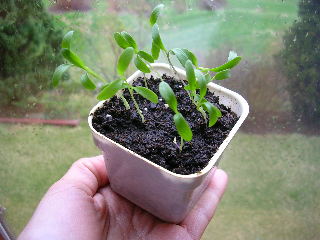
Scape sampler

While I have grown garlic for a number of years I did not realize until a couple of years ago that you can actually use the scapes, the undeveloped flower buds that should be cut off as soon as they appear of in order to strengthen the garlic bulbs. Then, last year, I unintentionally grew flowerless garlic.

So this year was the first time I could put my hands on scapes. I wanted to get the full scape flavor so I used them raw, in scape pesto and scape butter. Since this was a premiere, I made only small batches of each but the amounts can easily be doubled or tripled if you are lucky enough to have lots of scapes at your disposal – garlic scapes seem to be a hot commodity at farmer’s markets.

I removed the thin pointy tips of the scapes (these are the dark green blades that look like chives in the top photo), as they tend to be fibrous. The lemon juice adds a little acid to the pesto is so it keeps its color.

Garlic Scape Pesto
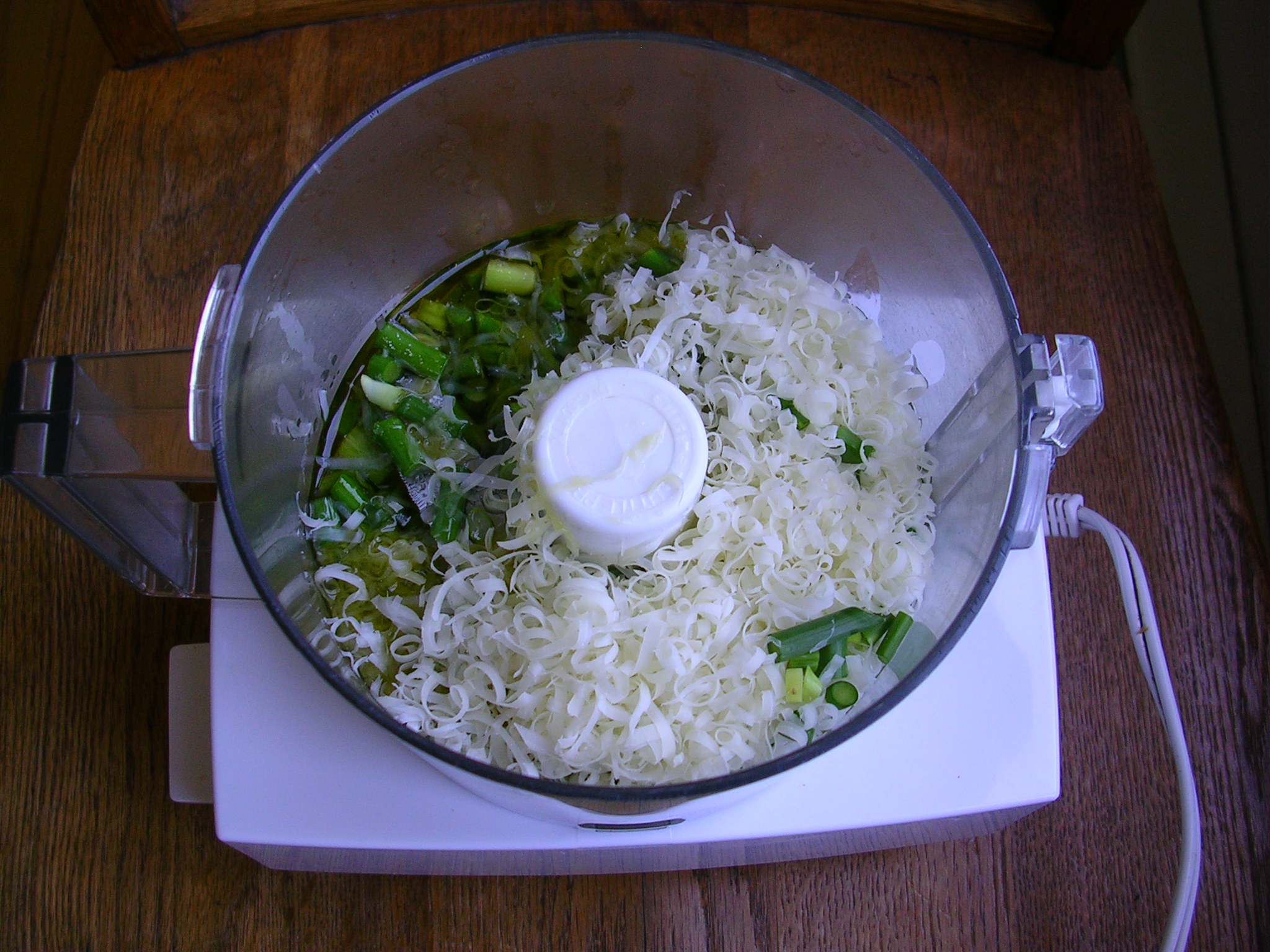
¼ cup coarsely chopped walnuts

¾ cup scapes

¼ cup freshly grated Parmesan

½ cup extra virgin olive oil

Juice of ½ lemon

½ teaspoon salt

Freshly ground black pepper
1. Lightly toast the walnuts in a non-greased pan. Set aside to cool.

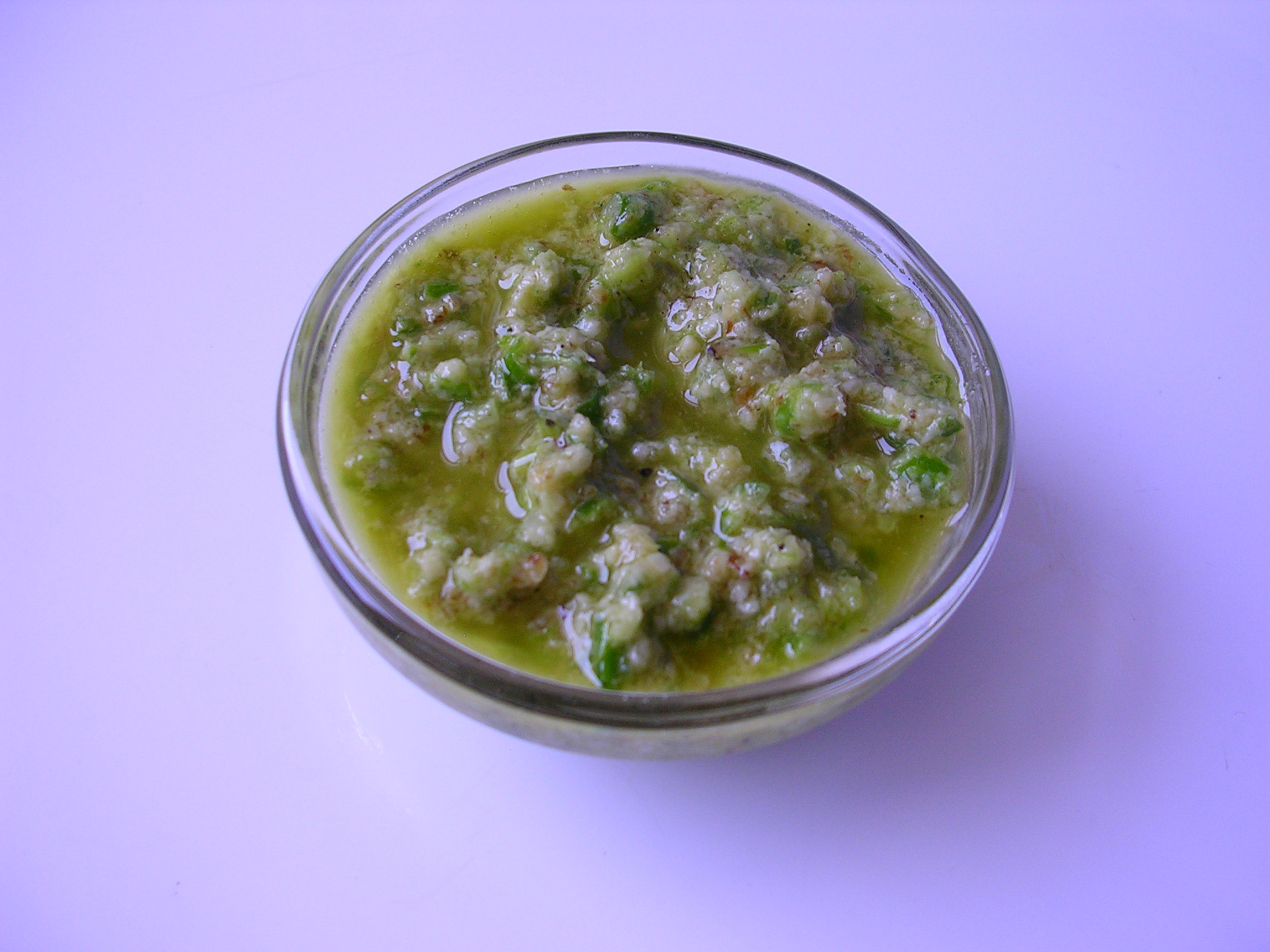
2. Cut the scapes into ½-inch pieces. Put the scapes, cooled walnuts, Parmesan, olive oil, and lemon juice in the food processor. Using the pulse function, chop finely, scraping down the sides with a spatula every so often.

3. Season with salt and pepper and pulse again. The pesto should still be somewhat chunky. Fill in a jar and refrigerate.

Garlic Scape Butter
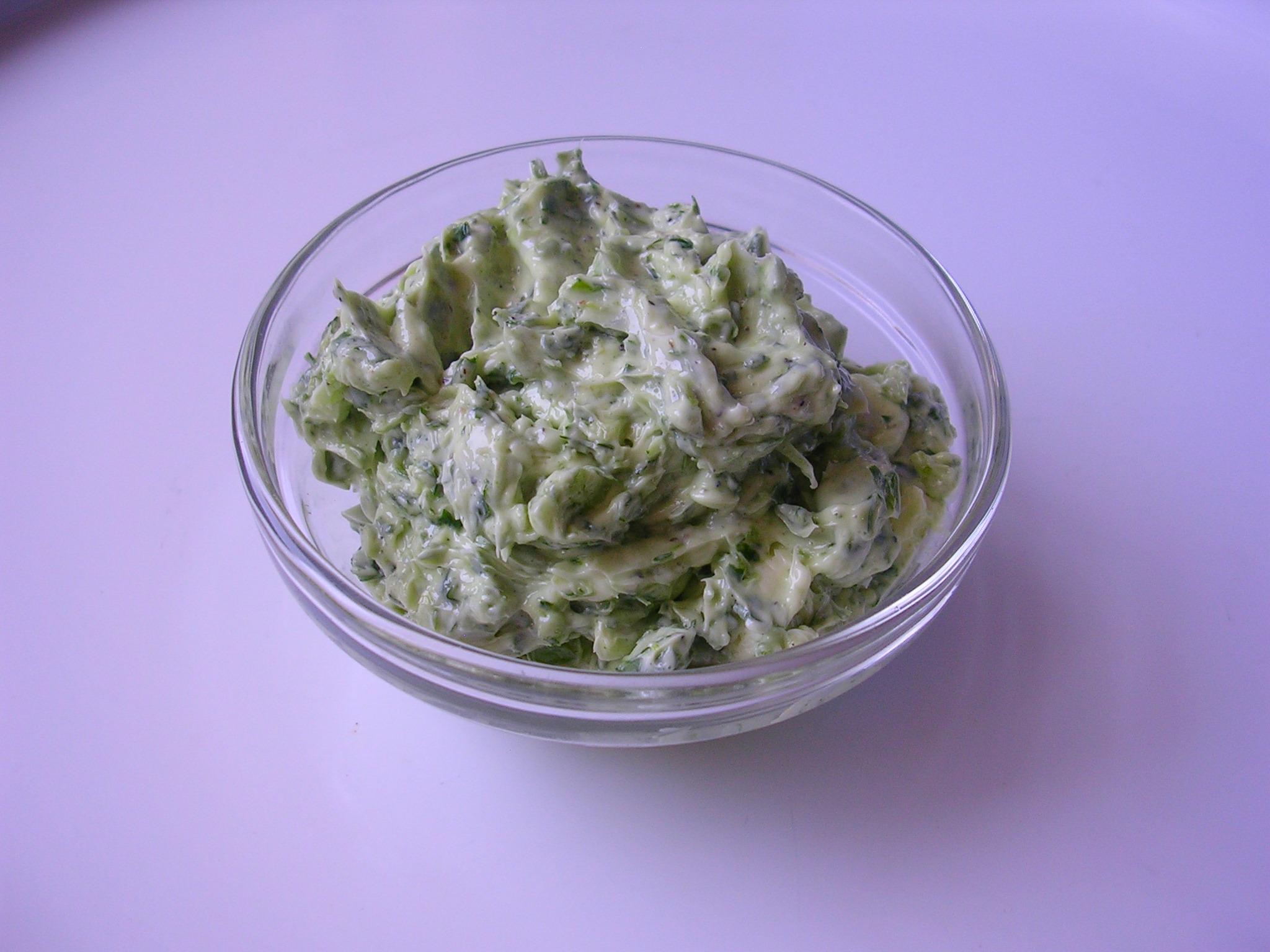
6 tablespoons soft butter

2 tablespoons chopped scapes

¼ cup packed Italian parsley

Salt

Pepper

Put all ingredients in the food processor and process to a creamy consistency. Fill in an airtight container and refrigerate.

Vanishing seeds

As a gardener, you experience all types of failures. What just happened to me with the cucumber, summer squash and Charentais melon seeds qualifies for the funny category although it is also rather annoying, because I started the seeds late already due to cold weather, and now I have to buy seedlings in order to get an early summer crop.

After the seeds showed no sign of germination after more than a week, I put the tray with the jiffy pots in the oven with the light turned on, and a heating pad underneath to speed things up. A big red sign said, “Do not use oven and leave light on”. The oven smelled like a greenhouse but except for a couple of lonely melon seedlings, no results.

So this morning I decided to start all over again, emptying out all the pots and sifting through the soil. I found several melon seeds that had not germinated, I suspect due to lack of heat. But I could not believe my eyes when the rest of the pots contained no seeds whatsoever! Then it dawned on me – one sunny day last week, I had put the tray outside on the patio table, and the birds must have eaten them.

A small consolation: there is still one jar of Golden Zucchini Chutney in the pantry. I made it for the first time last year instead of the Zucchini Relish I usually make. The recipe is adapted from Preserving by Oded Schwartz. We eat the chutney with any type of Indian food.

Golden Zucchini Chutney

3½ pounds golden zucchini

3½ tablespoons kosher salt

1 teaspoon corn oil

3 tablespoons black mustard seeds

1½ tablespoons freshly ground coriander

1 dried medium-hot red chili

1½ tablespoons turmeric

4 large onions, halved I thinly sliced

7 large carrots, peeled and grated

8 ounces candied ginger, finely chopped

6 garlic cloves, finely chopped

1½ teaspoons freshly ground black pepper

5 cups apple vinegar

1¾ cups sugar

You also need:

A canning pot, or a very large stockpot

6 1-pint canning jars

6 bands

6 new (unused) lids

1. Cut the squash (do not peel if using organic) in half lengthwise and scrape out any seeds. Cut into ½-inch cubes.

2. Place the squash in a colander and sprinkle with half of the salt. Let stand for one hour. Rinse under cold water and drain well.

4. Heat the oil in a large non-corrosive pot. Add the mustard seeds, coriander and chili and fry until the mustard seeds pop and the spices release their flavors. Add the turmeric and stir.

5. Add the squash with all of the remaining ingredients except the sugar and the remaining salt. Bring to a boil, reduce the heat and simmer for 25 minutes, or until the vegetables are soft.

6. Add the sugar and salt and simmer for 1 to 1¼ hours, until most of the liquid has disappeared and the chutney as a thick consistency. Remove the chili.

7. Fill into sterilized canning jars and process in a boiling water bath for 15 minutes. Let sit for 2 months before opening.

Makes 6 1-pint jars

Getting down to the bottom

Yesterday I used the last bag of frozen Swiss chard. Seeing the white bottom of the freezer is like seeing the ground again after the snow has melted – an unmistakable sign that it’s spring.

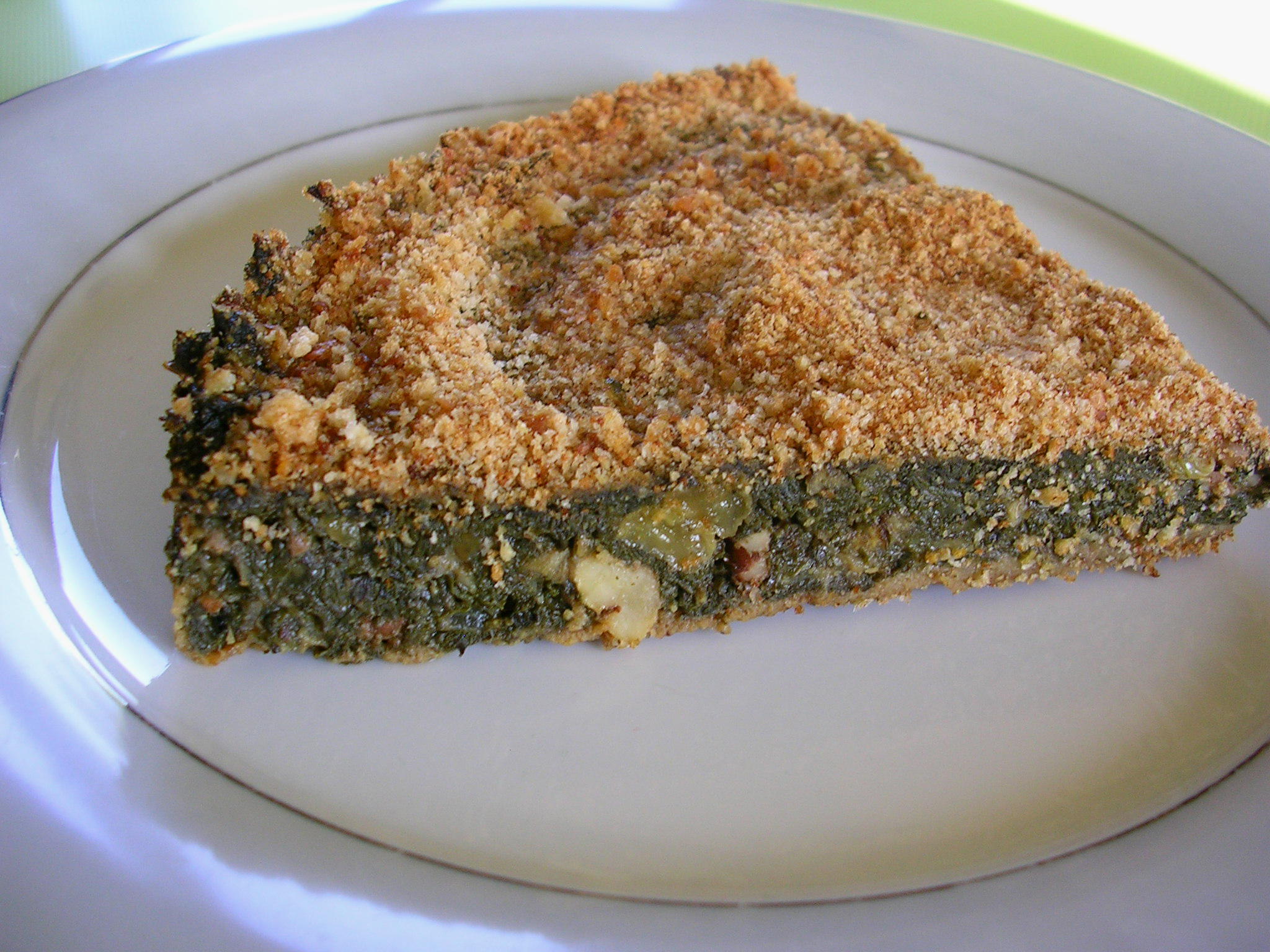
The Swiss chard went into a crustless Italian Swiss chard torte Venetian style, Tegliata di Biete. I based it on Marcella Hazan’s recipe from Essentials of Classic Italian Cooking but took several shortcuts. And, more importantly, I did not use pine nuts. I don’t remember the last time I bought pine nuts that did not taste rancid. Chinese pine nuts are quite awful, and the real stuff, pine nuts from the Mediterranean (Lebanese are viewed as the best), are expensive and hard to find. I sometimes food-fantasize about the delicious fresh pine nuts that were floating in the countless glasses of sweet tea I had when I lived in Tunisia. Back then, though, I did not have a garden where I could grow my own Swiss chard. If I had to choose between the two, I would always go for the garden – even if it means using walnuts instead of pine nuts.

Swiss Chard Torte with Raisins and Walnuts

2 pounds trimmed Swiss chard (leaves and small thin stems only)

3 tablespoons olive oil

1 medium onion, finely chopped

1/3 cup golden raisins

2/3 cup unflavored bread crumbs

1/2 cup walnuts

2 eggs

1 cup freshly grated parmesan (4 ounces)

1 teaspoon salt

Freshly ground black pepper

1 tablespoon cold butter

1. Preheat the oven to 350 degrees F. Spray a 10-inch cake pan with oil.

2. Chop the Swiss chard finely. With a bit of water clinging to it (or partially thawed), place it in a large skillet and cook, uncovered, until the chard is fully cooked through and wilted, about 10 minutes, stirring often. Remove to a bowl.

3. Heat the olive oil and cook the onion until golden. Add the chard and cook for another 2 minutes. Remove both to the bowl.

4. Place the raisins in a small heatproof bowl and pour hot water over them to soak.

5. Lightly toast the breadcrumbs in a pan on the stove. Distribute half of them in the prepared cake pan.

6. Lightly toast the walnuts in the pan in which you toasted the breadcrumbs. Cool and chop coarsely. Drain the raisins and squeeze dry in a paper towel. Add walnuts and raisins to the bowl with the Swiss chard.

7. Lightly beat the eggs and add them to the mix together with the parmesan. Add salt and pepper and mix well. Spread the mixture over the breadcrumbs and even it out with a spatula.

8. Spread the remaining bread crumbs evenly on top. Dot with butter (I use a lemon zester to produce tiny strands). Bake in the preheated oven for 30 minutes. Serve hot or warm.

Cold spring, antsy days

I am antsy because I have not seeded anything in the garden yet. It was too cold, too wet, too windy, or all of the above, and during the few suitable days, I was away. Having 75 strawberry plants in the refrigerator waiting to be planted in the new strawberry patch is no relaxing perspective neither. My records of previous years show me that by mid-April I would already have the second crop of lettuce, spinach, peas, and radishes in the ground.

Frankly, a few days won’t matter now, as there is still plenty of stuff in the freezer. Also, the herb seedlings are doing well, so that’s a start. To stop myself from pacing up and down and looking at the weather forecast every hour, I made my Zucchini Quiche for dinner on Saturday, albeit with two variations – yeasted crust and regular feta.

I used Deborah Madison’s recipe for Yeasted Tart Dough with Olive Oil from Vegetarian Cooking for Everyone but only with half of the amount. For ½ egg, beat 1 egg and divide it in half, using the rest for another purpose. Reheat leftovers in the oven (a few minutes under the broiler set on low will do), not in the microwave, where the crust will become soggy.

Zucchini Quiche with Yeasted Crust

Crust:

1 teaspoon active dry yeast

¼ teaspoon sugar

¼ cup lukewarm water

1½ tablespoons light olive oil

½ beaten egg

Pinch of salt

1 cup flour

Filling:

Click here

1. Stir the yeast with the sugar and the water until the yeast is dissolved. Let stand for 10 minutes until it foams.

2. Mix the olive oil with the egg and the salt. Stir in the yeast mixture.

3. Add the flour, starting with ¾ cup and knead to a smooth dough that detaches from the bowl. The dough should be slightly tacky.

4. Place the dough in an oiled bowl and cover. Let rise for 45 minutes.

5. Prepare the filling as described here.

6. Preheat the oven to 375 C.

7. On a floured surface roll out the dough in a circle large enough to fit a 9-inch pie dish (not a deep dish) with a ½-inch edge. Pat the edge all around to even out the height and trim as necessary. You can use the trimmings to patch other places, it won’t show in the baked quiche.

7. Spread the filling over the dough and even it out with a spatula. Bake the quiche in the preheated oven for 35 minutes.